Home Monument types Cairn
What is a cairn?
A cairn is a mound or bank built mainly of stones. Many prehistoric cairns in the uplands of England and Wales are Bronze Age burial monuments, the stone equivalent of the earthen round barrows of the lowlands, while many small cairns are heaps of stone cleared from fields.
- Period
- Burial cairns mostly Bronze Age, about 2000 to 700 BC; clearance cairns range from prehistoric to post-medieval.
- Also called
- round cairn, burial cairn, ring cairn, kerb cairn, platform cairn, clearance cairn, cairnfield, carn (Welsh)
- Pages on Waystone
- 88 in England and Wales
What a cairn is
Historic England dates round cairns to the Bronze Age, about 2000 to 700 BC; they cover one or more burials, sometimes in stone-lined compartments called cists, and some have a kerb of larger stones around the edge. Ring cairns are low, wide circular banks of stones around an open central area, and platform cairns are low, roughly level platforms of stones retained by a kerb. Clearance cairns are irregular heaps of stones from clearing land for farming, and a group of cairns is called a cairnfield; some clearance cairns of prehistoric date contain burials, so a cairnfield cannot be assumed to be recent. Cairns are a common feature of the uplands, often in prominent positions on summits and ridges.
How cairns look on LiDAR
A burial cairn shows as a low circular rise, often with a hollow in the centre where it has been dug into or robbed for stone, and a ring cairn shows as a low ring with a level centre. A local relief model shows these low features best on open moorland, and positive openness emphasises the edges of kerbs and banks. Many cairns are only 0.2 to 0.5 metres high and a few metres across, close to the limit of what a 1-metre terrain model can show, so small clearance cairns may appear only as a scatter of faint bumps.
See LiDAR visualisations explained for what each method shows.
What can look like one
Natural boulder spreads, rock outcrops, sheepfolds, collapsed walls, quarry waste and modern walkers' marker cairns can look like prehistoric cairns. Ring cairns are often mistaken for stone circles and for the footings of round houses.
Protection
Many burial cairns and some cairnfields are scheduled monuments, protected in England by the Ancient Monuments and Archaeological Areas Act 1979 and in Wales by the Historic Environment (Wales) Act 2023.
Examples on the LiDAR
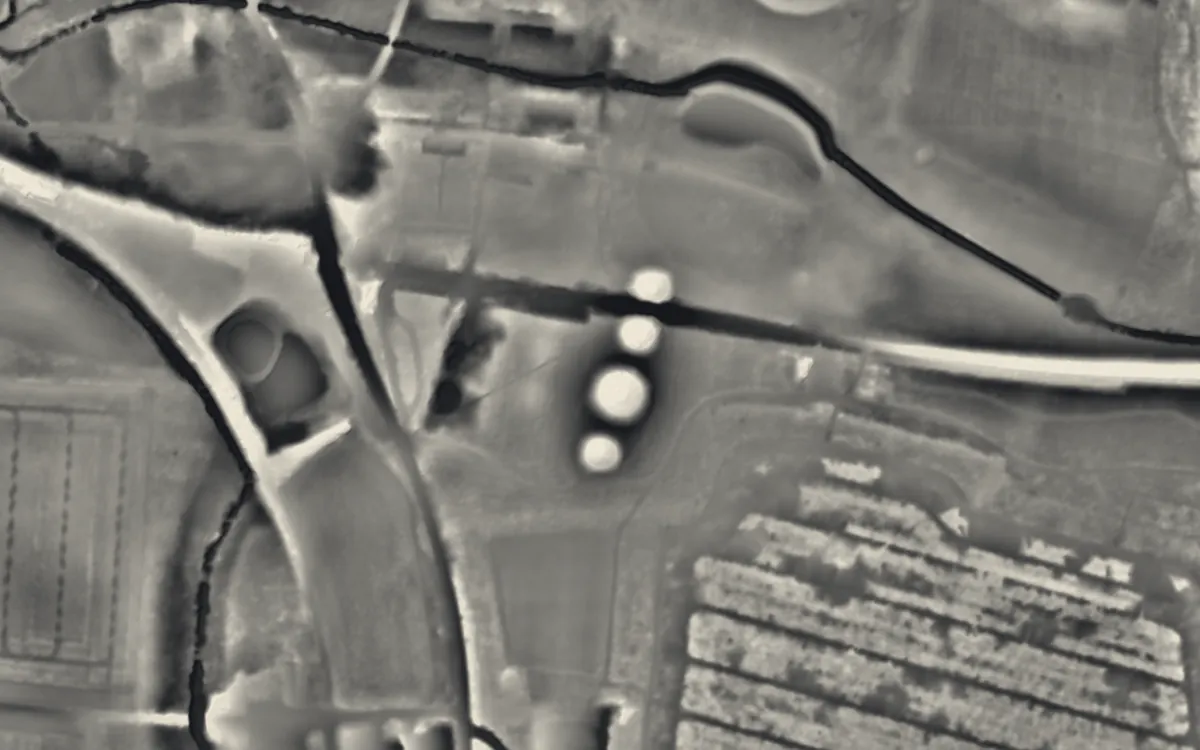 Bartlow HillsCambridgeshire
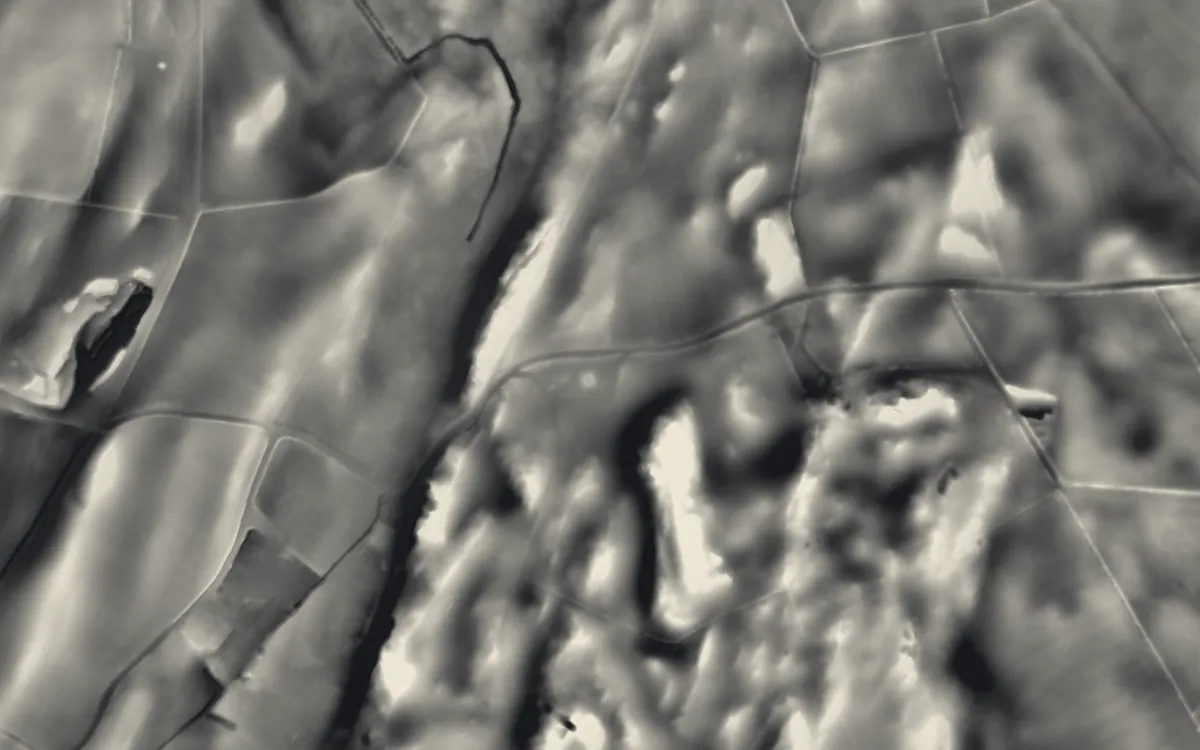 Bedd TaliesinCeredigion
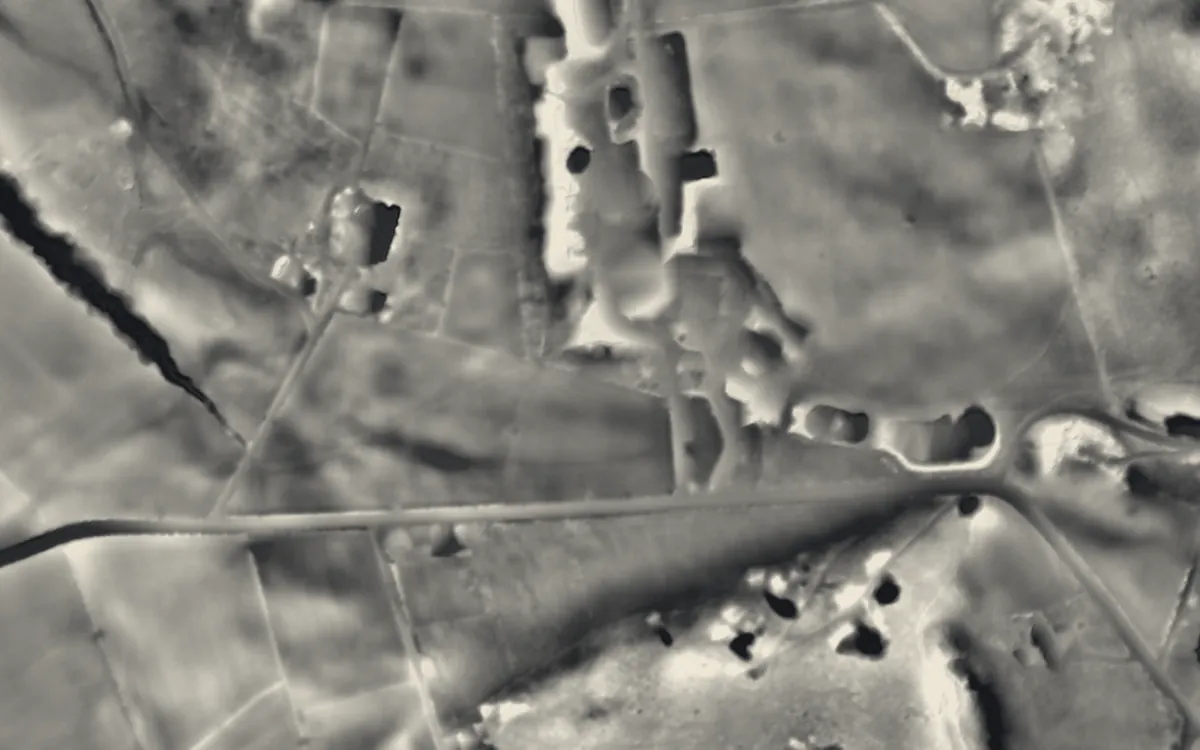 The BridestonesCheshire
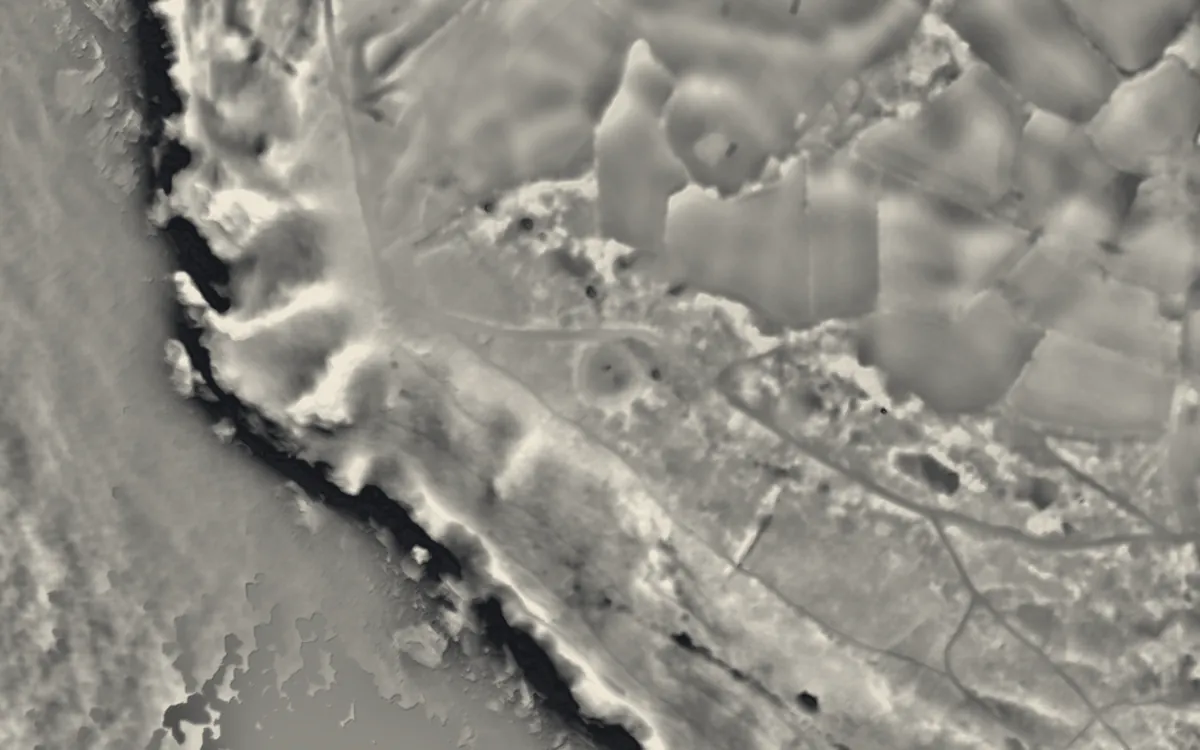 Ballowall BarrowCornwall
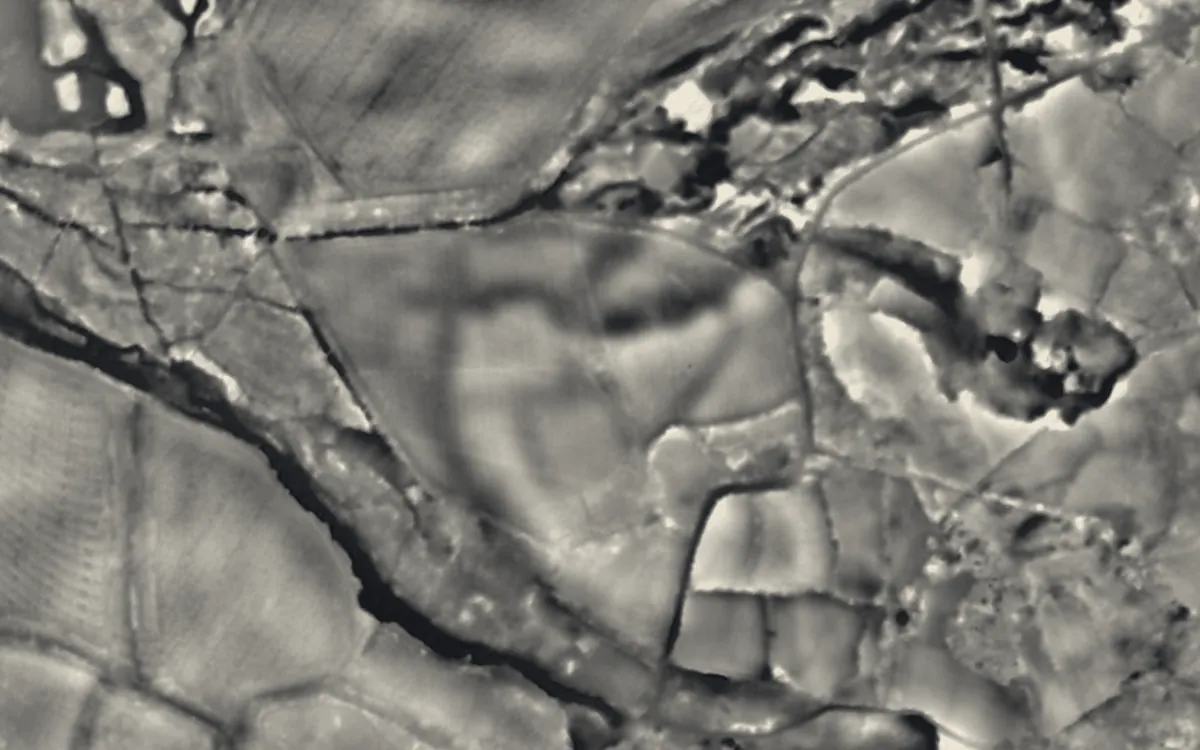 Giant's QuoitCornwall
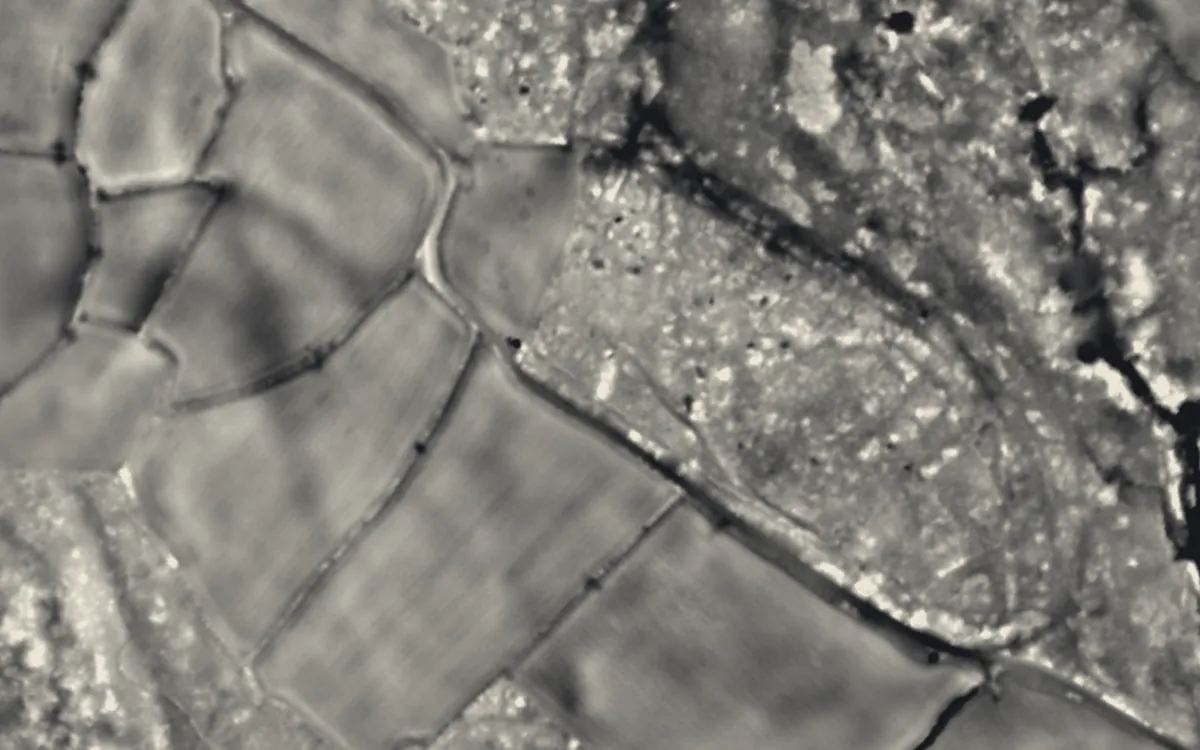 Lanyon QuoitCornwall
Where they are
Counties with the most cairns that have a page here.
- Cornwall9 with a page
- Isle of Anglesey8 with a page
- Kent8 with a page
- Wiltshire8 with a page
- Dorset6 with a page
- Gloucestershire6 with a page
- Derbyshire5 with a page
- Somerset4 with a page
- Oxfordshire3 with a page
- Greater London2 with a page
- Hampshire2 with a page
- Lancashire2 with a page
- North Yorkshire2 with a page
- Northumberland2 with a page
- Pembrokeshire2 with a page
- West Sussex2 with a page
- Cambridgeshire1 with a page
- Ceredigion1 with a page
- Cheshire1 with a page
- County Durham1 with a page
- Cumbria1 with a page
- Denbighshire1 with a page
- East Riding of Yorkshire1 with a page
- Greater Manchester1 with a page
More examples
- Lesquite QuoitCornwall
- Mulfra QuoitCornwall
- Rillaton BarrowCornwall
- Sperris QuoitCornwall
- Two bowl barrows, one 220m east of Lower Longbeak and the other 320m east of Higher LongbeakCornwall
- West Lanyon QuoitCornwall
- Maiden's Bower round cairnCounty Durham
- Cairnfield including a prehistoric enclosure, 5 stone circles, 10 funerary cairns, 6 stone banks, 2 stone walls, a lynchet and aCumbria
- Eliseg's PillarDenbighshire
- Embanked stone circle known as Wet Withens, and adjacent cairnDerbyshire
- Five WellsDerbyshire
- Gib HillDerbyshire
- Hob Hurst's HouseDerbyshire
- MinninglowDerbyshire
- Clandon BarrowDorset
- Group of round barrows on Oakley DownDorset
- Hell StoneDorset
- Long barrows SE of Thickthorn FarmDorset
- The Five Marys round barrow cemeteryDorset
- Wor Barrow and two bowl barrows on Handley DownDorset
- Willy HoweEast Riding of Yorkshire
- Belas KnapGloucestershire
- Hazleton long barrows, north and southGloucestershire
- Notgrove Long BarrowGloucestershire
- Nympsfield Long BarrowGloucestershire
- Uley Long BarrowGloucestershire
- Windmill TumpGloucestershire
- King Henry VIII's MoundGreater London
- Shrewsbury BarrowGreater London
- Brown LowGreater Manchester
Sources
- FISH Thesaurus of Monument Types (Historic England): Cairn
- FISH Thesaurus of Monument Types (Historic England): Round Cairn
- FISH Thesaurus of Monument Types (Historic England): Ring Cairn
- FISH Thesaurus of Monument Types (Historic England): Platform Cairn
- FISH Thesaurus of Monument Types (Historic England): Clearance Cairn
- FISH Thesaurus of Monument Types (Historic England): Linear Clearance Cairn
- FISH Thesaurus of Monument Types (Historic England): Cairnfield
- Monument Type Thesaurus (Wales), RCAHMW: Round Cairn
- Historic England, National Heritage List entry 1014338: reasons for designation (round cairns)
- Historic England, National Heritage List entry 1008861: Field system including over 300 clearance cairns and two hut circles at Iron Howe
- Coflein (RCAHMW): Pen Caenewydd, Cairn 1 (ring cairn), NPRN 84253
- Wikipedia: Cairn (cross-check)
- Relief Visualization Toolbox documentation: Simple local relief model
Last updated 2026-10-16.