Home Monument types Long barrow
What is a long barrow?
A long barrow is a long rectangular, trapezoidal or oval mound of earth or chalk, usually with a ditch along each side, built as a communal burial place. Long barrows are among the oldest monuments that still survive as earthworks in England.
- Period
- Early to Middle Neolithic, about 3800 to 3000 BC; older Historic England scheduling texts give 3400 to 2400 BC.
- Also called
- earthen long barrow, oval barrow, long mound, unchambered long barrow
- Pages on Waystone
- 13 in England and Wales
What a long barrow is
Long barrows were built by Britain's first farming communities and were used for communal burial, often of selected bones rather than complete bodies. Most are between about 20 and 70 metres long, and many are trapezoidal in plan, wider at one end. Excavated examples suggest construction between about 3800 and 3000 BC, and a Historic England scheduling text describes long barrows and chambered tombs being built from before 3800 BC and throughout the 4th millennium BC; older scheduling texts give 3400 to 2400 BC. Historic England records some 500 long barrows in England, with about 180 in Hampshire, Wiltshire and Dorset, the densest group in the country. Earthen long barrows are found mainly in southern and eastern England; in the west, including the Cotswolds and Wales, the equivalent monuments are stone-chambered long cairns (see chambered tomb).
How long barrows look on LiDAR
A long barrow shows as an elongated mound, often several tens of metres long, with a parallel ditch on each side; where the mound has been ploughed down, the ditches may survive as a pair of faint parallel hollows. A local relief model shows the outline and shape of the mound best, and sky-view factor or negative openness shows the side ditches. On sloping chalk downland, hillshade from several directions helps to separate the mound from natural spurs and lynchets.
See LiDAR visualisations explained for what each method shows.
What can look like one
Pillow mounds (rabbit-breeding mounds of medieval and later warrens) are smaller, flat-topped and usually in groups, and the headlands at the ends of ridge and furrow, field banks and natural ridges can also form long mounds. Oval barrows and bank barrows are related Neolithic forms.
Protection
Historic England considers all long barrows to be nationally important, and many are scheduled monuments protected in England by the Ancient Monuments and Archaeological Areas Act 1979 and in Wales by the Historic Environment (Wales) Act 2023.
Examples on the LiDAR
 Notgrove Long BarrowGloucestershire
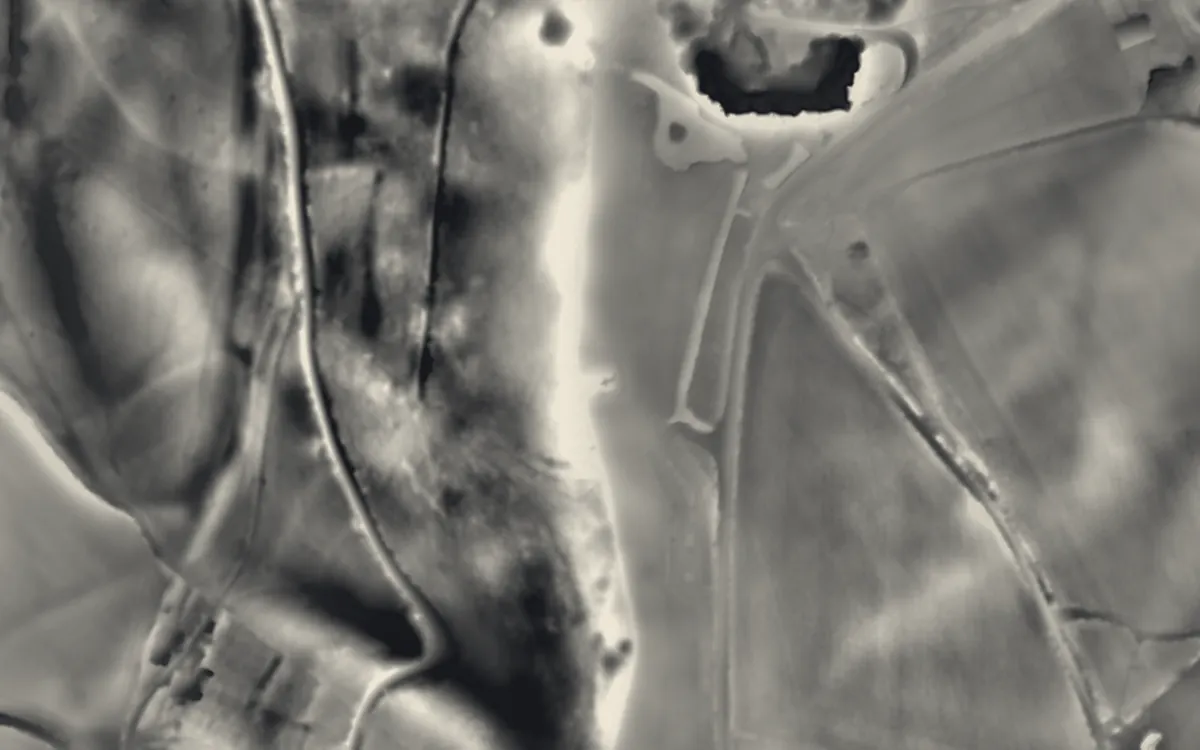 Nympsfield Long BarrowGloucestershire
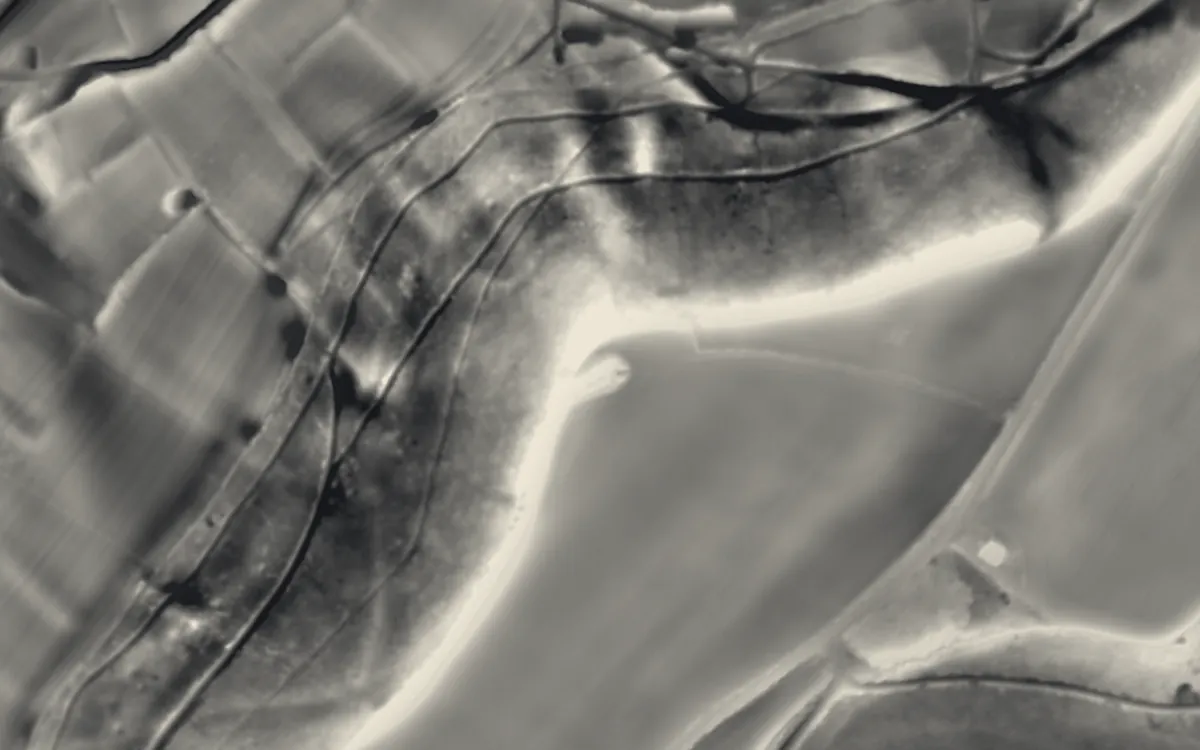 Uley Long BarrowGloucestershire
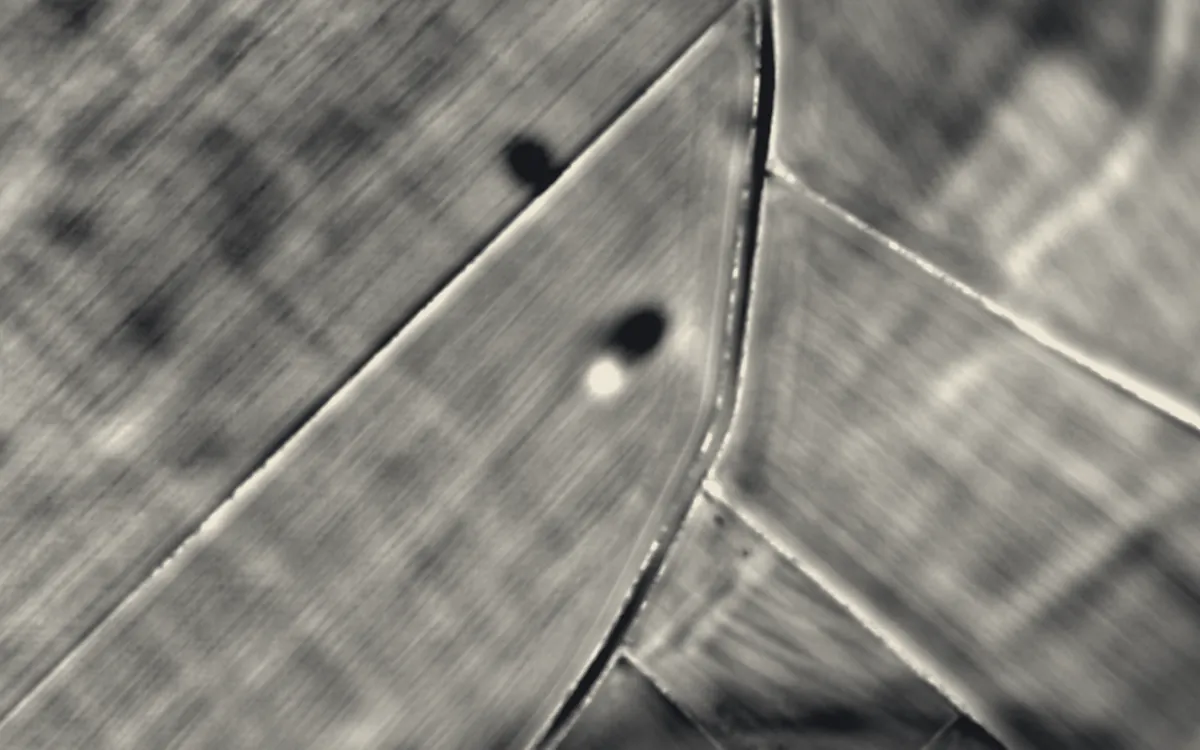 Preston Candover Long BarrowHampshire
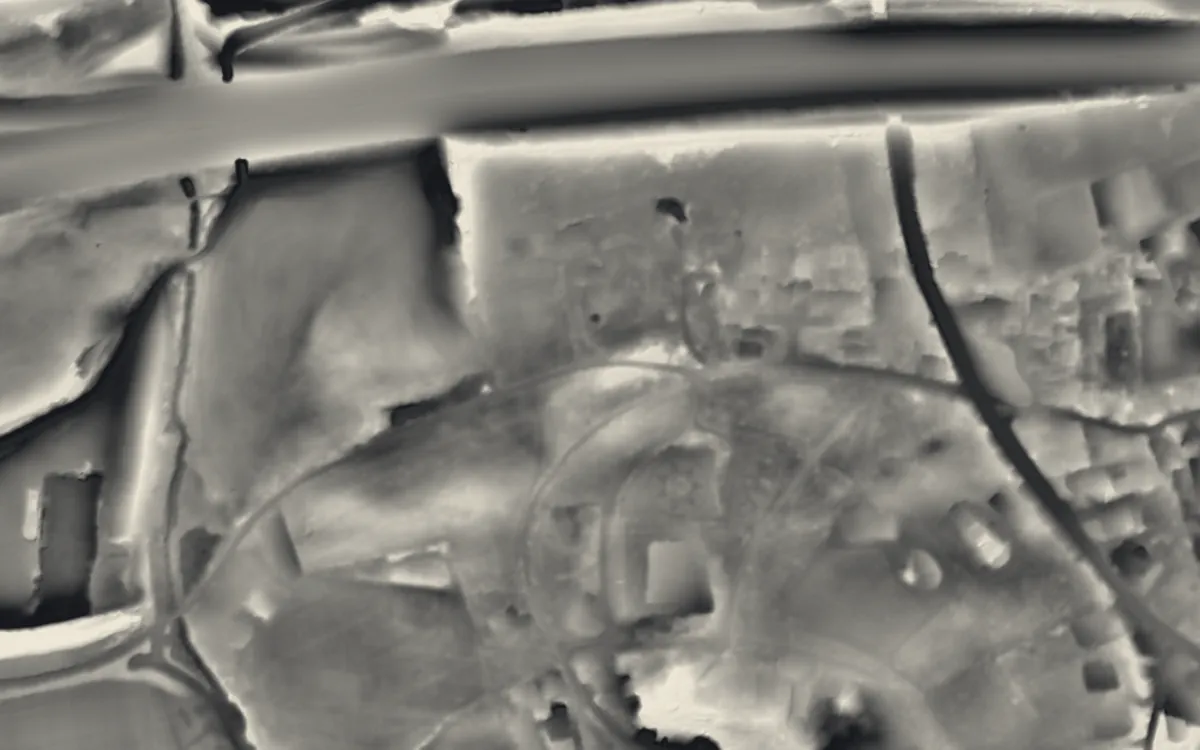 Addington Long BarrowKent
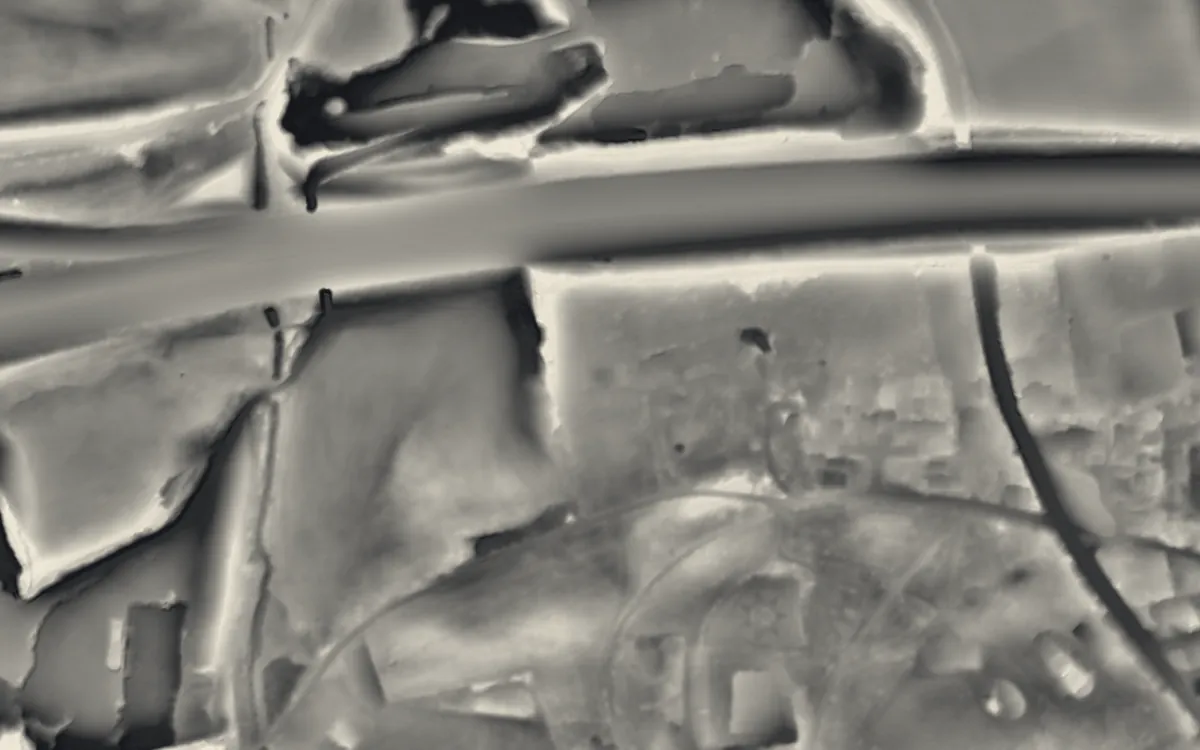 Chestnuts long barrowKent
Where they are
Counties with the most long barrows that have a page here.
- Kent5 with a page
- Gloucestershire3 with a page
- Wiltshire3 with a page
- Hampshire1 with a page
- Somerset1 with a page
More examples
- Coldrum Long BarrowKent
- Jacket's Field Long BarrowKent
- Shrub's Wood oval barrowKent
- Stoney Littleton Long BarrowSomerset
- Long barrow 500m north of Lugbury FarmWiltshire
- Long barrow on Horton DownWiltshire
- West Kennet Long BarrowWiltshire
Sources
- FISH Thesaurus of Monument Types (Historic England): Long Barrow
- FISH Thesaurus of Monument Types (Historic England): Oval Barrow
- Historic England, Introductions to Heritage Assets: Prehistoric Barrows and Burial Mounds
- Historic England, National Heritage List entry 1013945: Long barrow 400m north west of Sevenbarrows House
- Historic England, National Heritage List entry 1012831: reasons for designation (long barrows)
- Wikipedia: Long barrow (cross-check)
- Relief Visualization Toolbox documentation: Simple local relief model
Last updated 2026-10-16.