Home Monument types Moated site
What is a moated site?
A moated site is an island of dry ground wholly or partly surrounded by a wide ditch, often water-filled, on which a house or other buildings stood. Most were high-status residences of aristocratic and manorial families, and the moat was more a sign of status than a practical defence.
- Period
- Medieval, mainly about 1250 to 1350; some earlier and later.
- Also called
- homestead moat, moated manor, moated house, moated garden
- Pages on Waystone
- 12 in England and Wales
What a moated site is
Historic England records around 6,000 moated sites in England, with by far the greatest concentration in central and eastern England. The peak period of construction was between about 1250 and 1350. The island is often square or rectangular, and some sites have more than one island or enclose gardens and orchards. Waterlogged moat deposits often preserve organic remains such as wood and plant material.
How moated sites look on LiDAR
A moated site shows as a square or rectangular platform surrounded by a broad, flat-bottomed ditch, often with an entrance causeway across it. Water absorbs most of the laser energy, so a water-filled moat usually appears as a smooth flat surface or as a gap filled in by interpolation, and only dry moats show their true depth. Sky-view factor and negative openness show dry moat ditches clearly, and a local relief model shows the island platform and nearby features such as fishponds and enclosures.
See LiDAR visualisations explained for what each method shows.
What can look like one
Fishponds, mill ponds, ornamental garden canals, flooded clay or marl pits and field drainage ditches can look like parts of a moat.
Protection
Many moated sites are scheduled monuments, protected in England by the Ancient Monuments and Archaeological Areas Act 1979 and in Wales by the Historic Environment (Wales) Act 2023.
Examples on the LiDAR
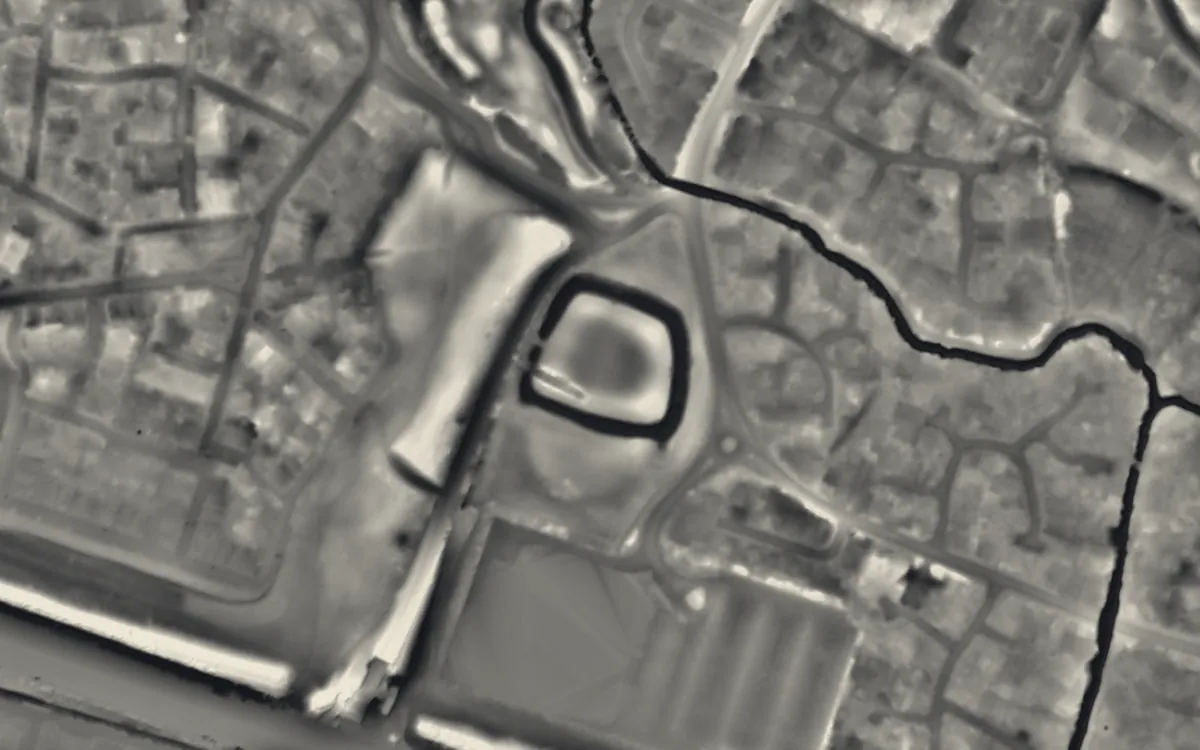 Cippenham MoatBerkshire
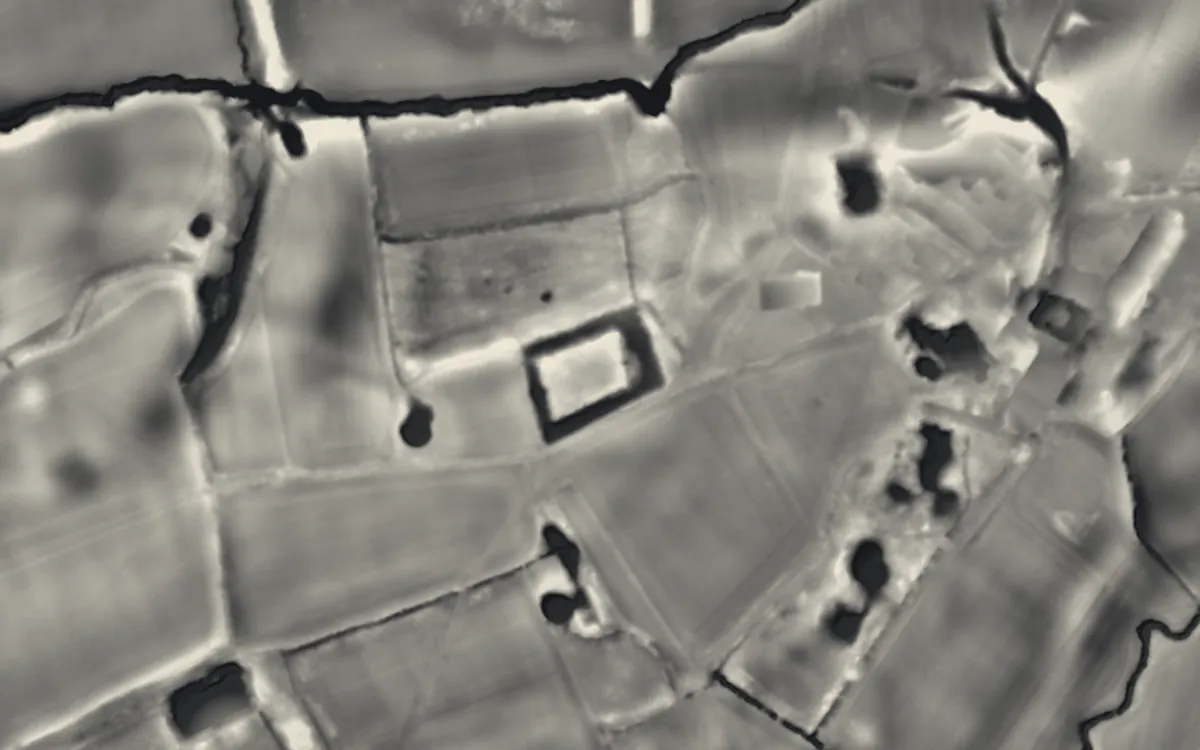 Medieval moated site, Glottenham CastleEast Sussex
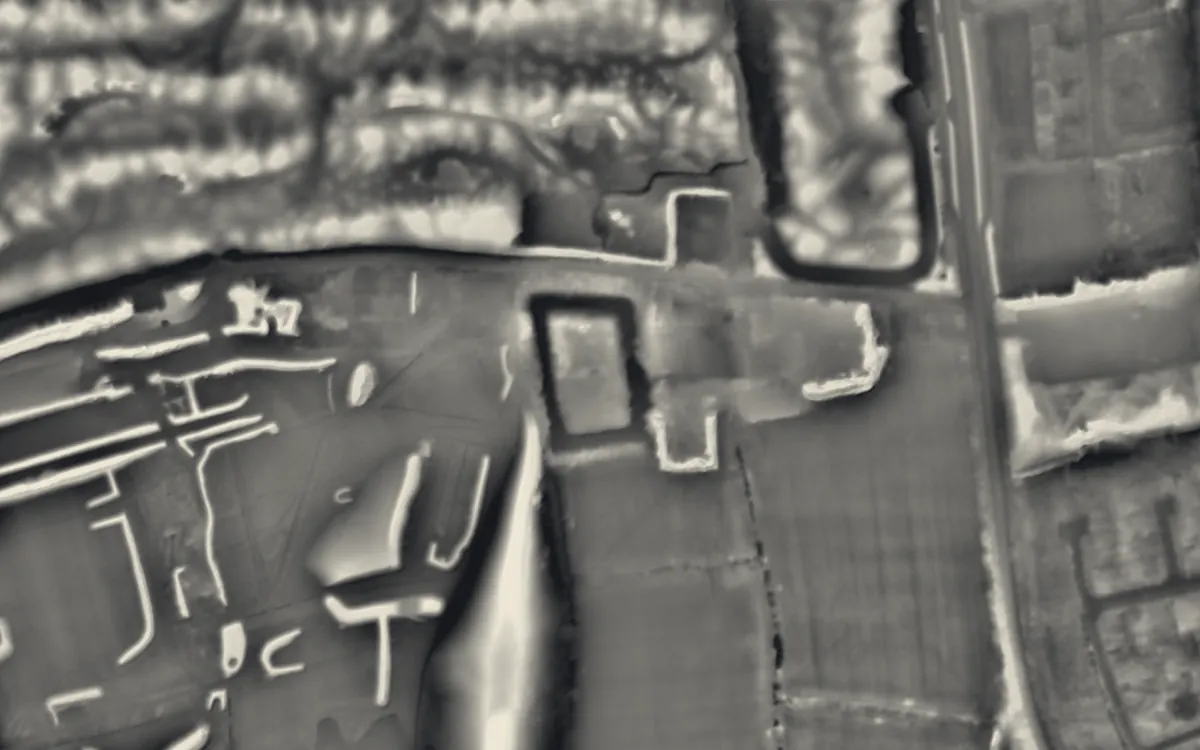 Down Barns Moated SiteGreater London
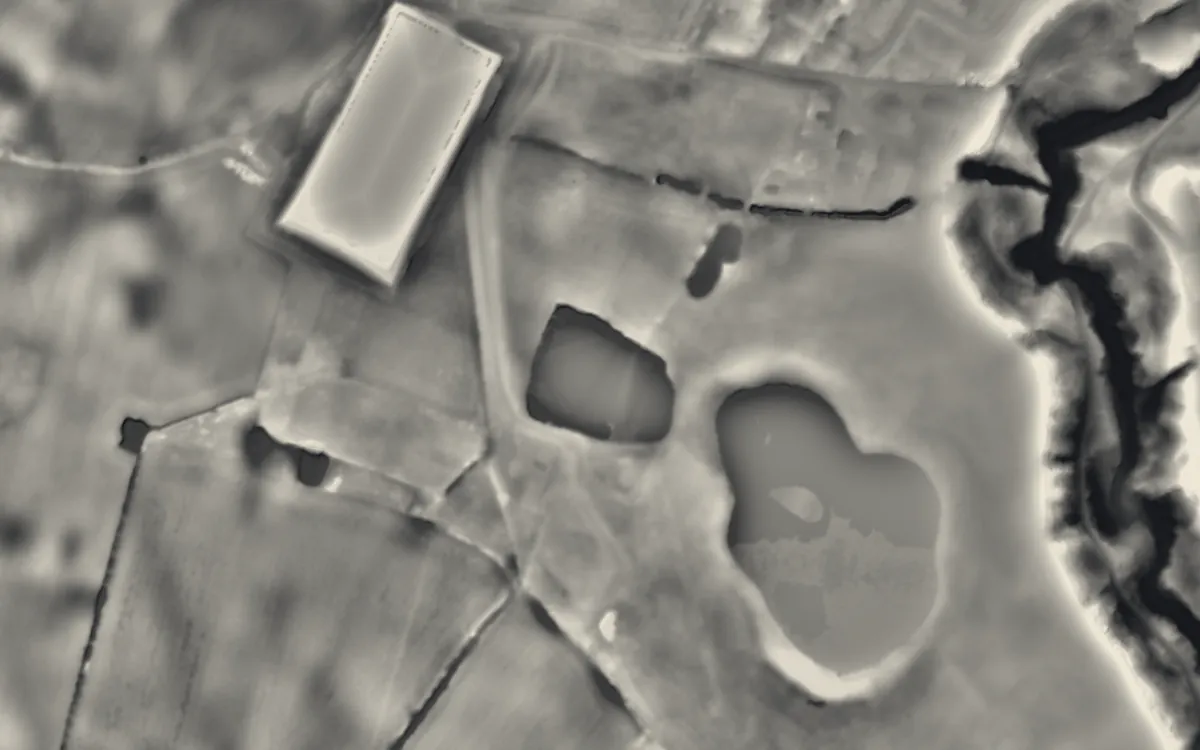 Gidlow Hall moated siteGreater Manchester
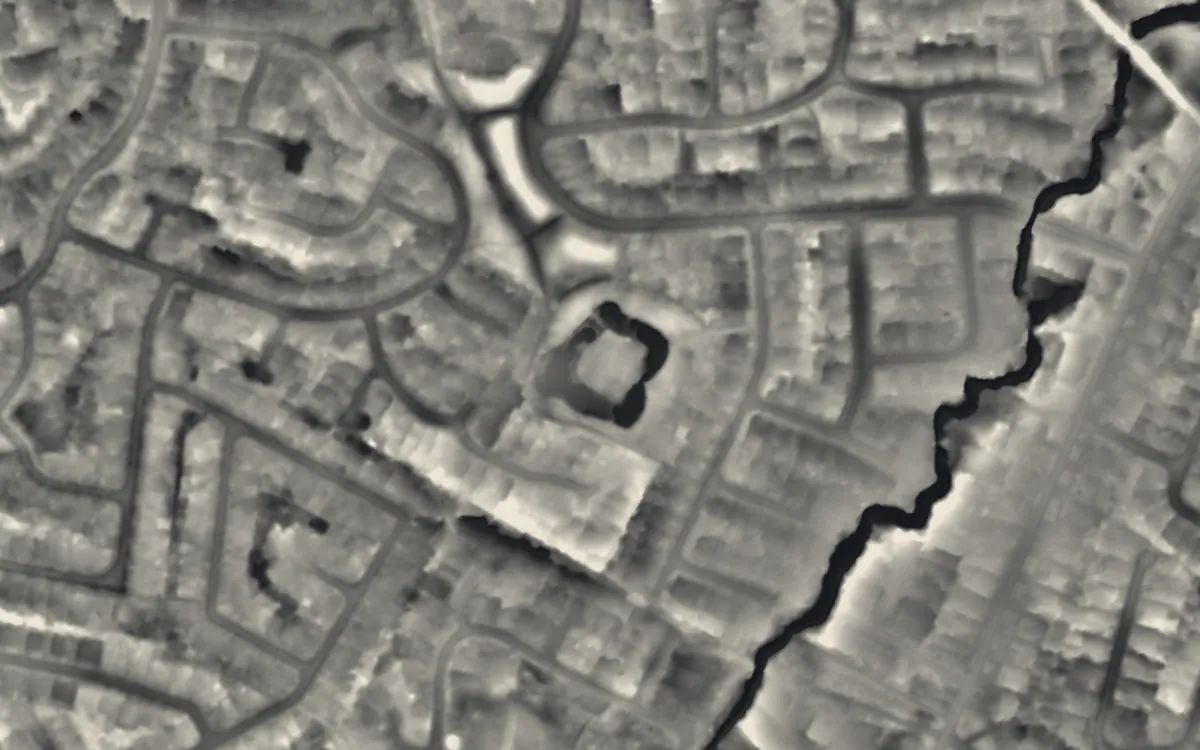 New Hall moated siteGreater Manchester
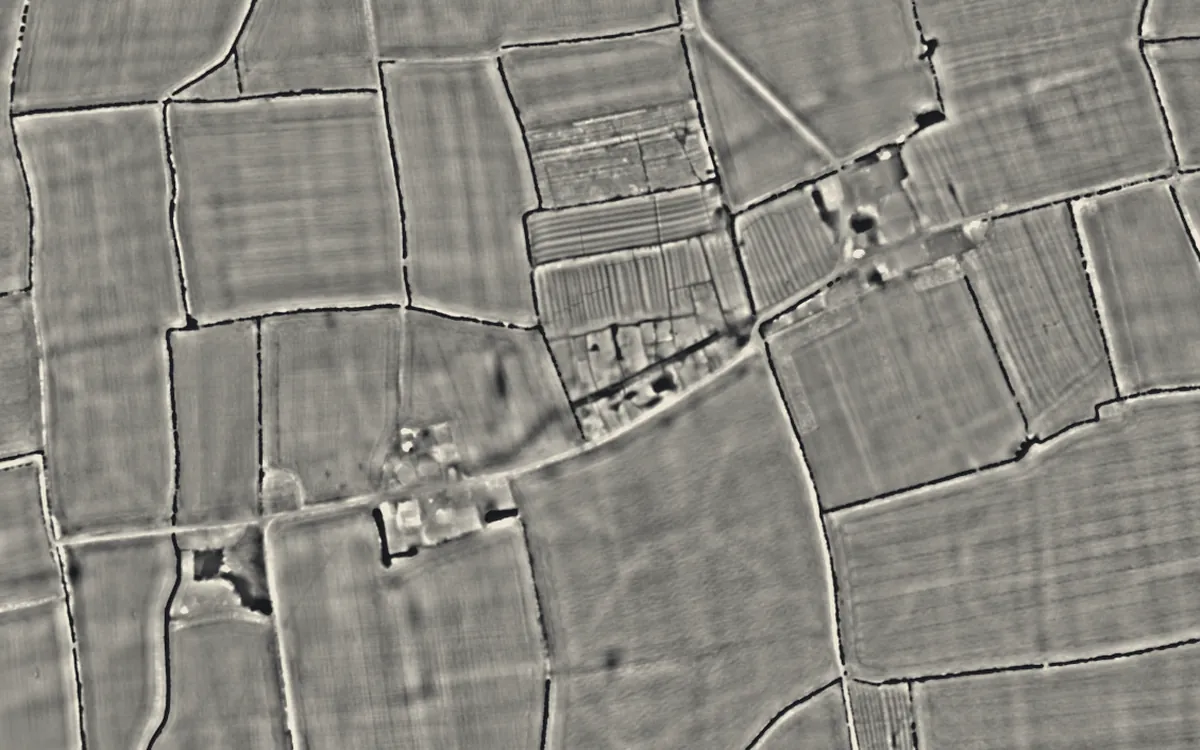 Coates medieval settlement and moated siteLincolnshire
Where they are
Counties with the most moated sites that have a page here.
- Greater Manchester2 with a page
- Berkshire1 with a page
- East Sussex1 with a page
- Greater London1 with a page
- Lincolnshire1 with a page
- Monmouthshire1 with a page
- Nottinghamshire1 with a page
- Somerset1 with a page
- Surrey1 with a page
- West Midlands1 with a page
- Worcestershire1 with a page
More examples
- Hen Gwrt Medieval Moated SiteMonmouthshire
- Whimpton Moor medieval village and moated siteNottinghamshire
- Marston MoatSomerset
- Woking Palace moated site, fishponds and ruins at Oldhall CopseSurrey
- Hob's Moat, 60m north of Castle LaneWest Midlands
- Rock Farm moated site, deserted medieval village and ridge and furrow, 100m SE of St Peter and St Paul's ChurchWorcestershire
Sources
- FISH Thesaurus of Monument Types (Historic England): Homestead Moat (moated site)
- Monument Type Thesaurus (Wales), RCAHMW: Moated Site
- Historic England, National Heritage List entry 1013137: reasons for designation (moated sites)
- Historic England, National Heritage List entry 1015545: Moated site and associated earthworks in Bray's Wood
- Relief Visualization Toolbox documentation: Sky-view factor
Last updated 2026-10-16.