Home Monument types Henge
What is a henge?
A henge is a circular or oval enclosure defined by a bank with a ditch, usually inside it, and one, two or occasionally more entrances. Henges were ceremonial sites of the Late Neolithic, and some contain timber or stone circles.
- Period
- Late Neolithic, about 3000 to 2000 BC; Historic England scheduling texts give 2800 to 2000 BC.
- Also called
- henge monument, hengiform monument, mini-henge, henge enclosure
- Pages on Waystone
- 14 in England and Wales
What a henge is
The ditch inside the bank is the reverse of a defensive arrangement, which separates henges from hillforts and other defended enclosures. Historic England's scheduling texts describe henges as enclosing a level area more than 20 metres across and record about 80 in England. Smaller circular enclosures of similar form are called hengiform monuments, while the largest henges, such as Avebury and Durrington Walls in Wiltshire, enclose areas several hundred metres across. Many henges have been levelled by ploughing and are known only from cropmarks on aerial photographs.
How henges look on LiDAR
A surviving henge shows as a ring of bank with a ditch inside it and a level interior, broken by one or two entrance gaps. Sky-view factor shows the internal ditch as a dark ring, so the ditch-inside-bank arrangement is easy to confirm, and a local relief model shows heavily ploughed examples that survive only a few tens of centimetres high. Stones and timber settings inside a henge are usually not visible, because stones are small or removed by filtering and timber circles survive only as buried post-holes.
See LiDAR visualisations explained for what each method shows.
What can look like one
Disc barrows also have a bank outside a ditch but are much smaller and have a small central mound, and ring cairns, animal pounds, circular tree-planting banks and dew ponds can form similar rings. Hillforts and most other enclosures have the ditch outside the bank.
Protection
Historic England considers all henges to be nationally important, and many are scheduled monuments protected in England by the Ancient Monuments and Archaeological Areas Act 1979 and in Wales by the Historic Environment (Wales) Act 2023.
Examples on the LiDAR
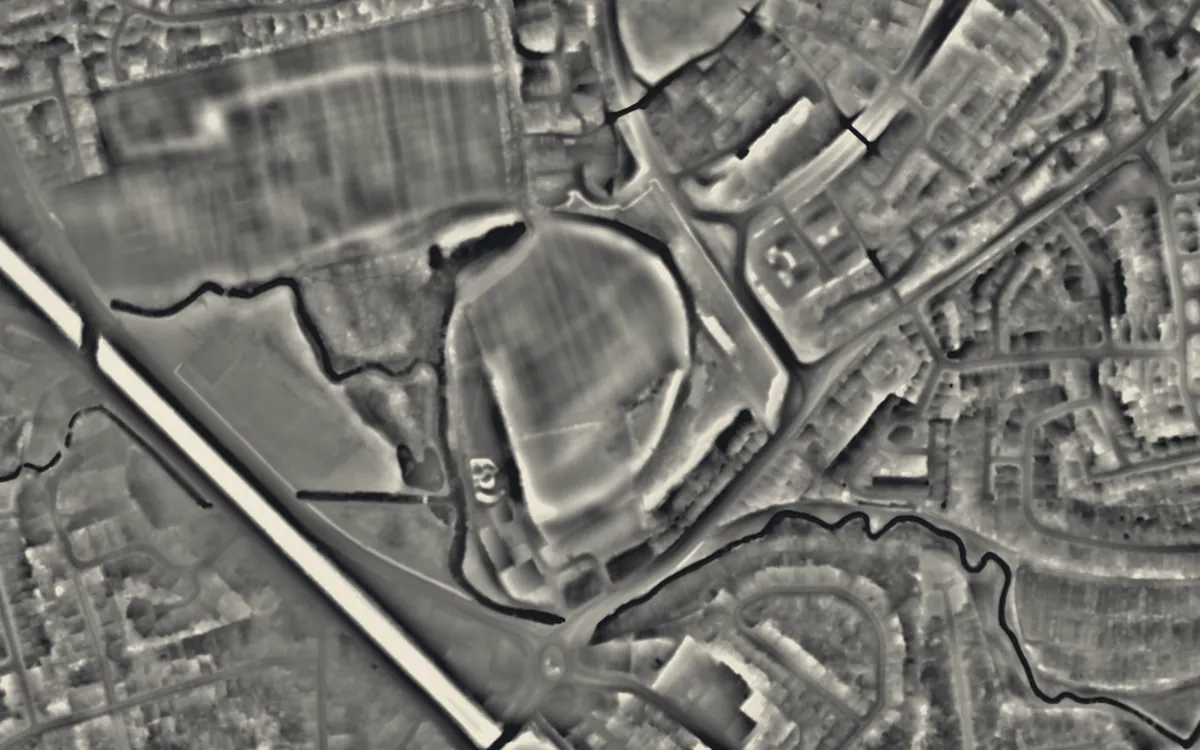 Waulud's BankBedfordshire
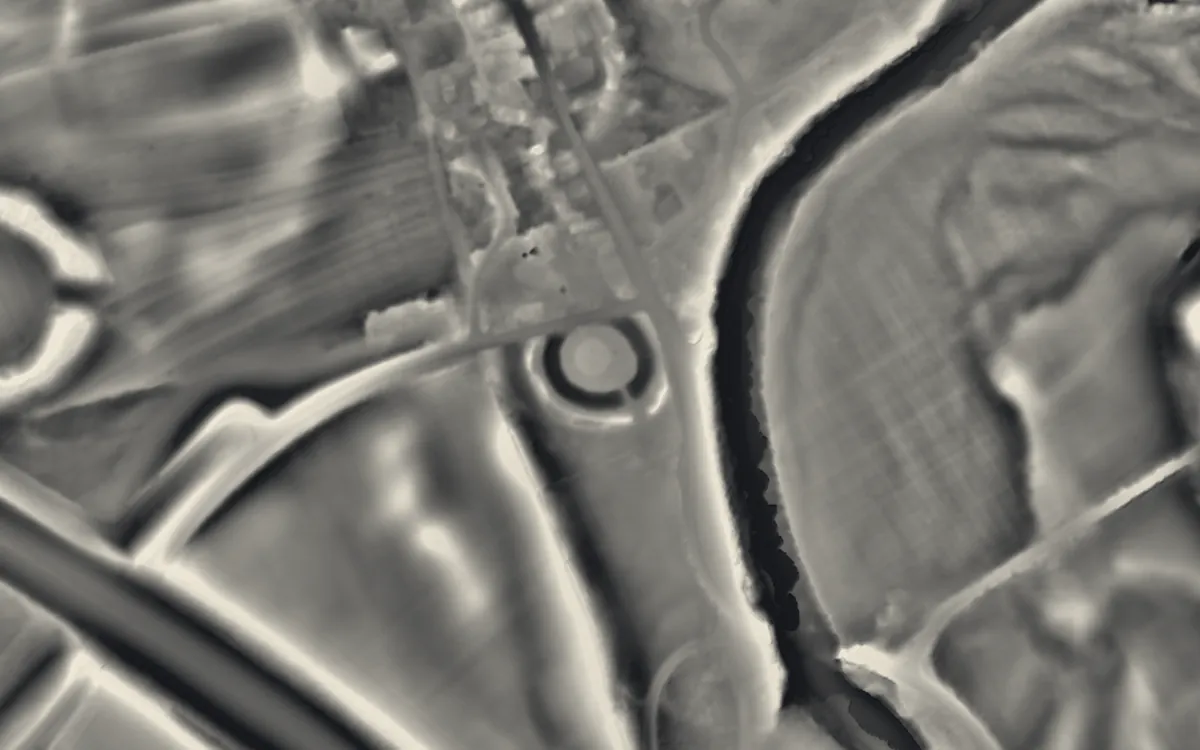 King Arthur's Round TableCumbria
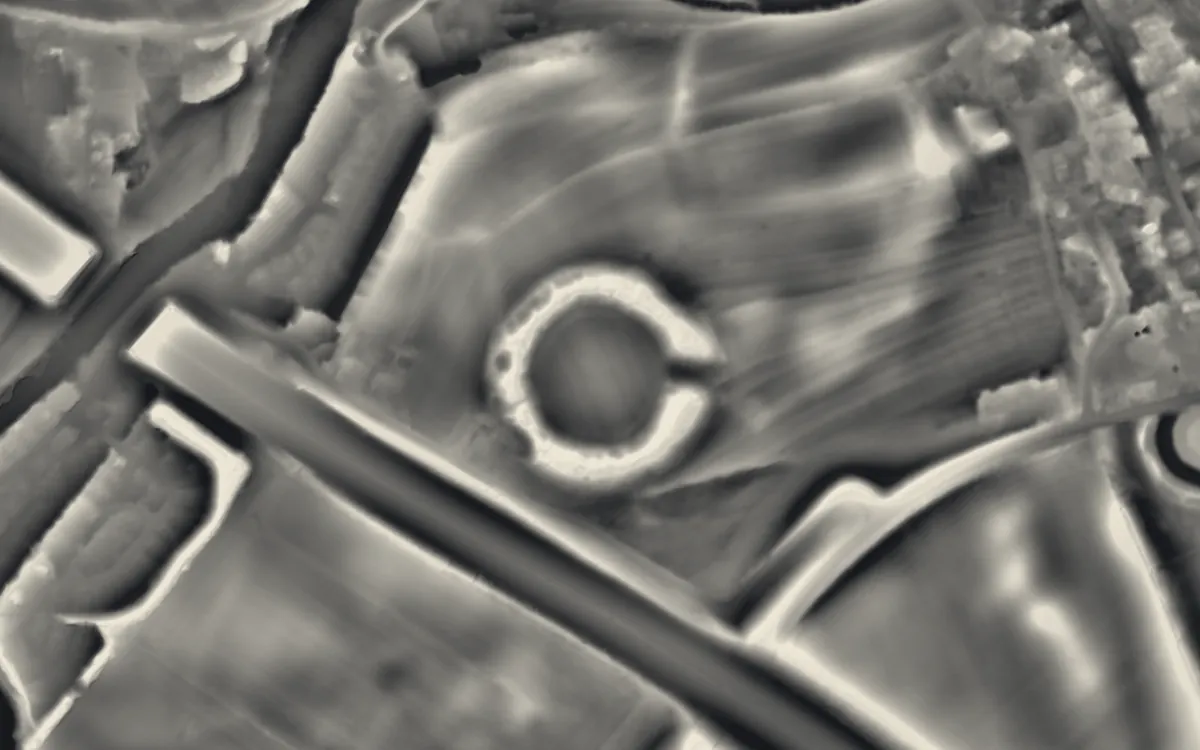 Mayburgh HengeCumbria
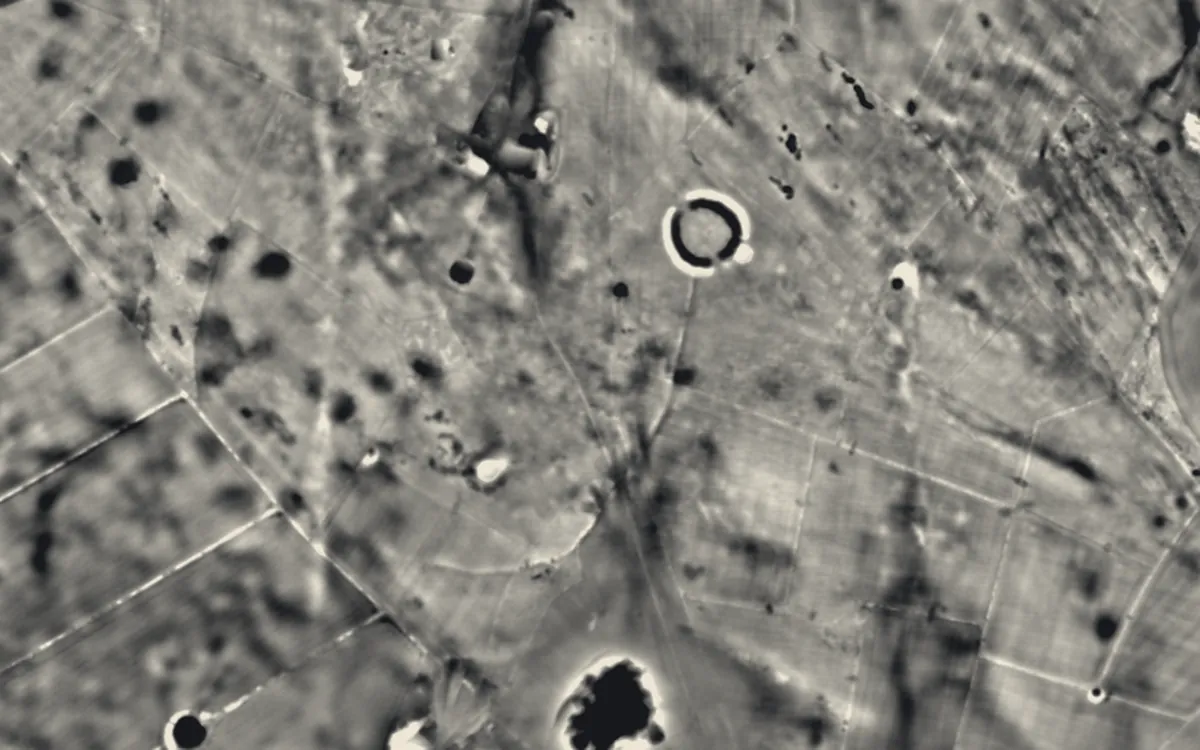 Arbor LowDerbyshire
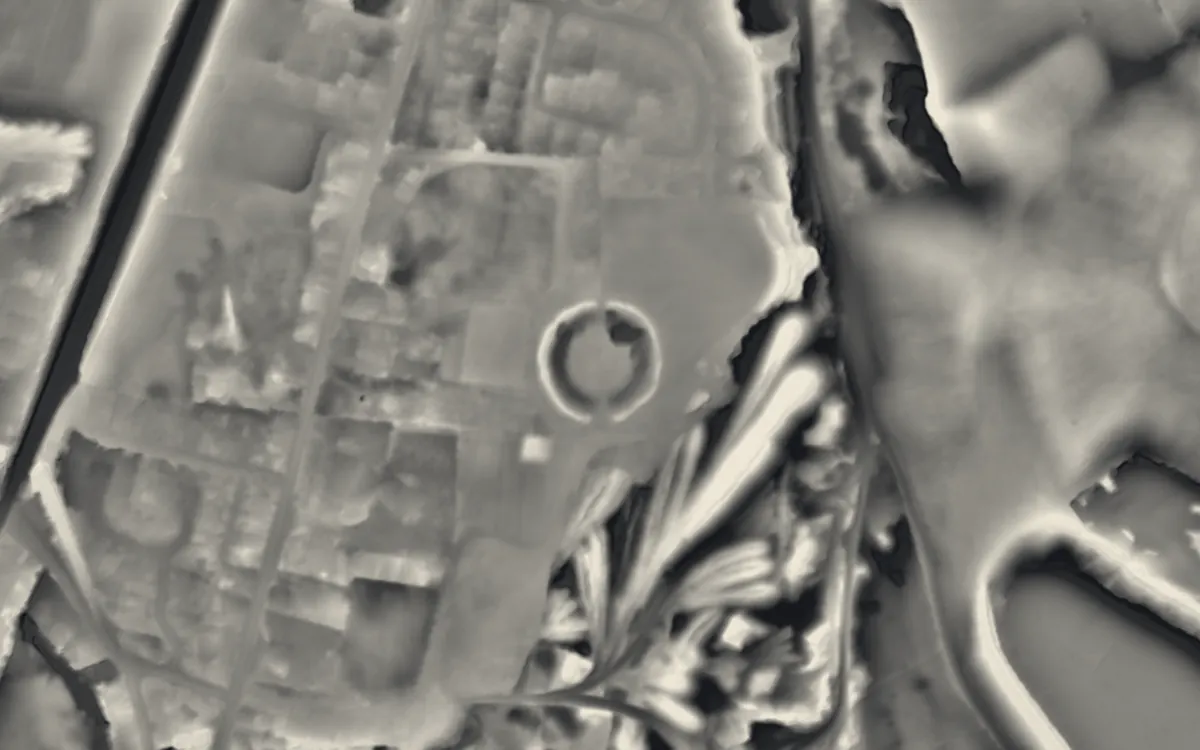 The Bull RingDerbyshire
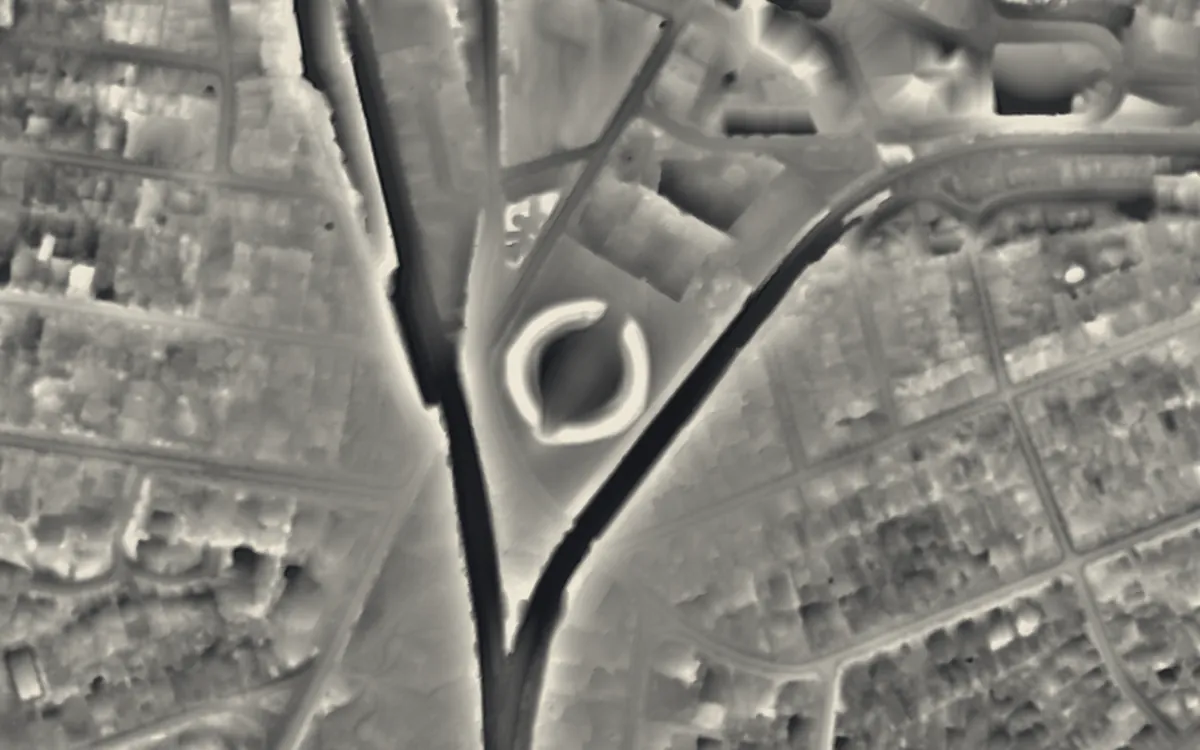 Maumbury RingsDorset
Where they are
Counties with the most henges that have a page here.
- Wiltshire4 with a page
- Cumbria2 with a page
- Derbyshire2 with a page
- North Yorkshire2 with a page
- Somerset2 with a page
- Bedfordshire1 with a page
- Dorset1 with a page
More examples
- Castle Dykes HengeNorth Yorkshire
- Thornborough HengesNorth Yorkshire
- Drove Cottage HengeSomerset
- Stanton Drew stone circlesSomerset
- AveburyWiltshire
- Coneybury HengeWiltshire
- Marden HengeWiltshire
- StonehengeWiltshire
Sources
- FISH Thesaurus of Monument Types (Historic England): Henge
- FISH Thesaurus of Monument Types (Historic England): Hengiform Monument
- Monument Type Thesaurus (Wales), RCAHMW: Henge
- Historic England, Introductions to Heritage Assets: Prehistoric Henges and Circles
- Historic England, National Heritage List entry 1008877: Yarnbury henge monument
- Historic England, National Heritage List entry 1012148: Two bowl barrows and a henge 600m east of Mill Hill Farm
- Wikipedia: Henge (cross-check)
- Relief Visualization Toolbox documentation: Sky-view factor
Last updated 2026-10-16.