Home Monument types Chambered tomb
What is a chambered tomb?
A chambered tomb is a Neolithic burial monument with one or more chambers built of large stones, set within a mound of earth or a cairn of stones. In England and Wales they are found mainly in Wales, the Cotswolds, around the Severn estuary and in Cornwall, with a separate group in Kent.
- Period
- Early to Middle Neolithic, about 4000 to 3000 BC.
- Also called
- burial chamber, chambered long cairn, chambered long barrow, Cotswold-Severn tomb, portal dolmen, cromlech, quoit, megalithic tomb
- Pages on Waystone
- 12 in England and Wales
What a chambered tomb is
Two main groups are recognised in England and Wales. Cotswold-Severn tombs have one or more stone chambers inside a long trapezoidal or oval cairn or mound, often with a forecourt at the wider end, and were built during the 4th millennium BC; portal dolmens have a chamber of a few large upright stones carrying a single large capstone. Tombs were often built in stages and used for centuries: Parc le Breos Cwm on Gower held the remains of more than 40 people and was used for burial for over five hundred years. At many tombs the covering mound or cairn has been removed, leaving the chamber stones exposed.
How chambered tombs look on LiDAR
On a bare-earth model the long cairn or mound of a Cotswold-Severn tomb shows as an elongated rise, and a local relief model can show the remains of a forecourt and the areas where the cairn has been robbed. Upright chamber stones and capstones are often removed by the filtering that strips out vegetation and buildings, or are too small to be modelled accurately, so an exposed chamber may show only as a small irregular bump or not at all. Where the cairn has been robbed for stone, its outline may survive as a low spread of material, best seen on a local relief model or with positive openness.
See LiDAR visualisations explained for what each method shows.
What can look like one
Natural boulder clusters, tumbled field walls, clearance cairns and quarry debris can look like a ruined chamber or cairn on the terrain model. Long cairns can also be confused with natural glacial ridges and long heaps of cleared stone.
Protection
Many chambered tombs are scheduled monuments, protected in England by the Ancient Monuments and Archaeological Areas Act 1979 and in Wales by the Historic Environment (Wales) Act 2023, and several in Wales, such as Capel Garmon and Parc le Breos Cwm, are in the care of Cadw.
Examples on the LiDAR
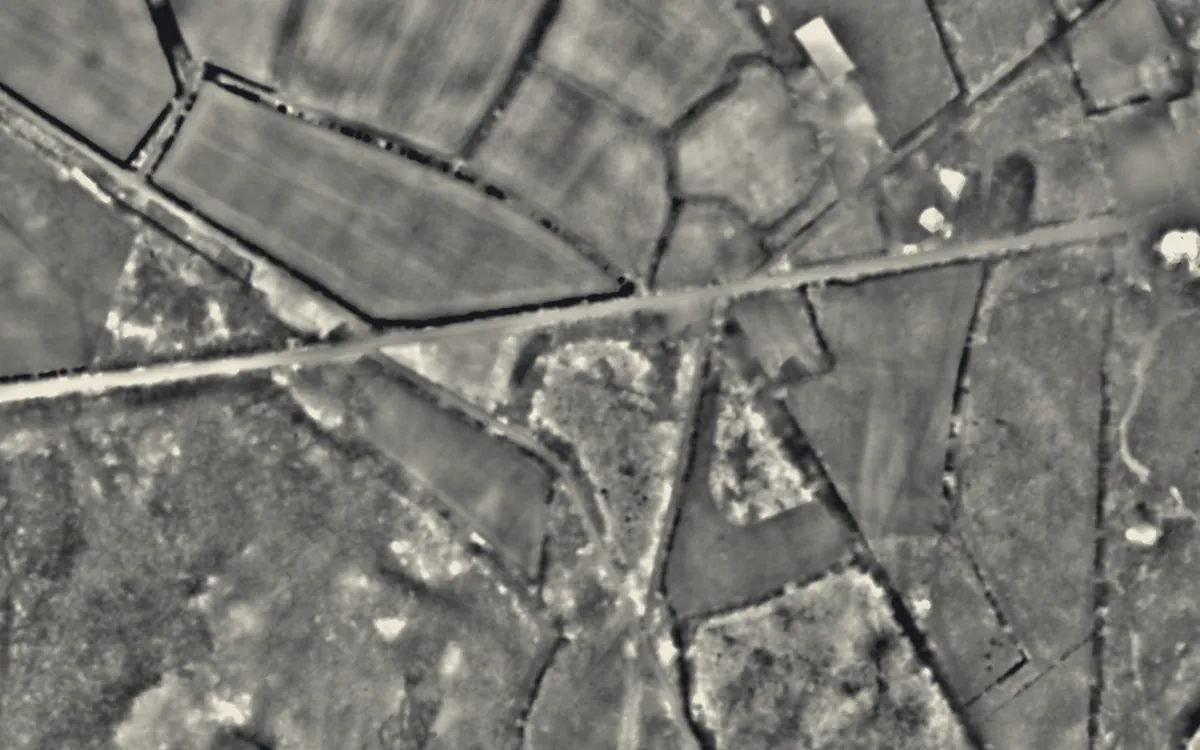 Portal dolmen known as 'The Three Brothers of Grugith'Cornwall
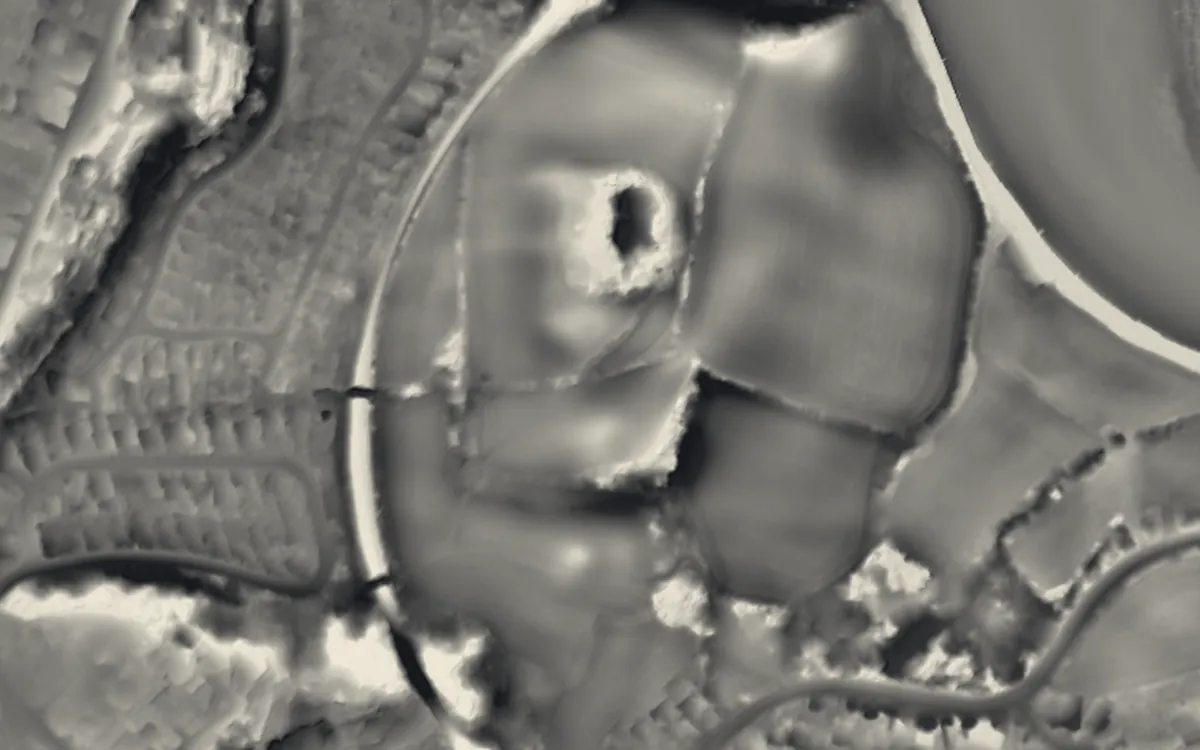 Broadsands Chambered TombDevon
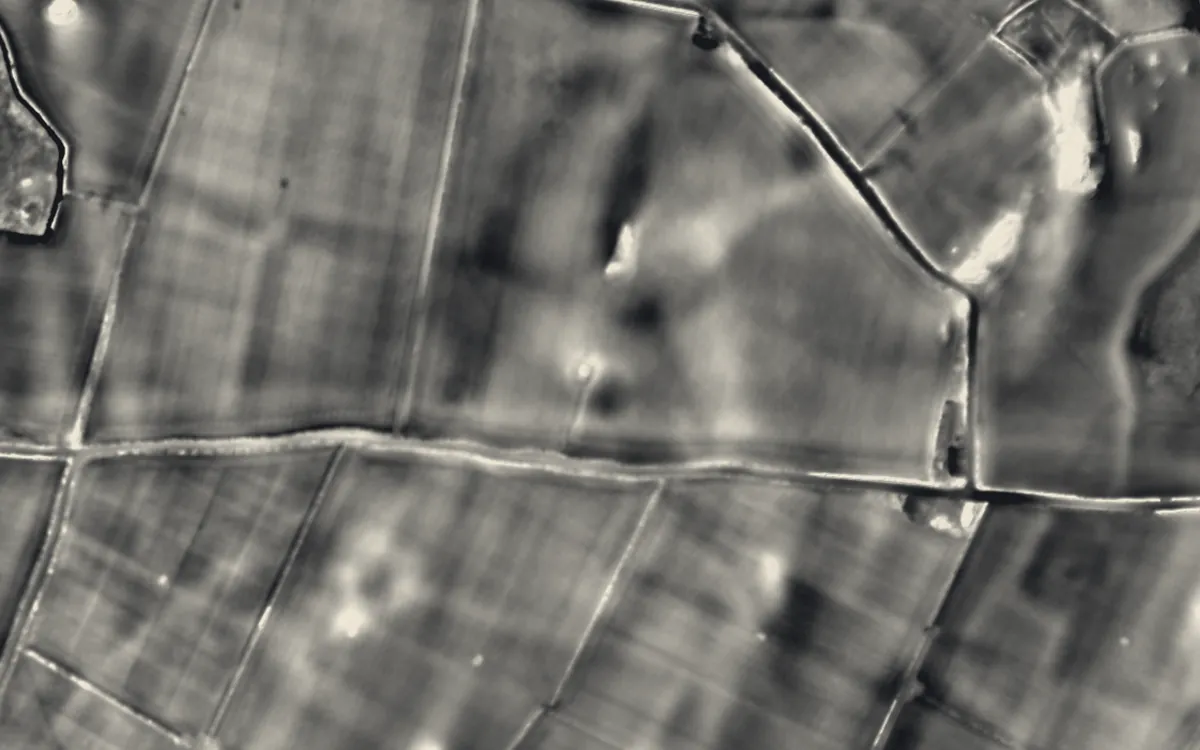 Bodowyr Burial ChamberIsle of Anglesey
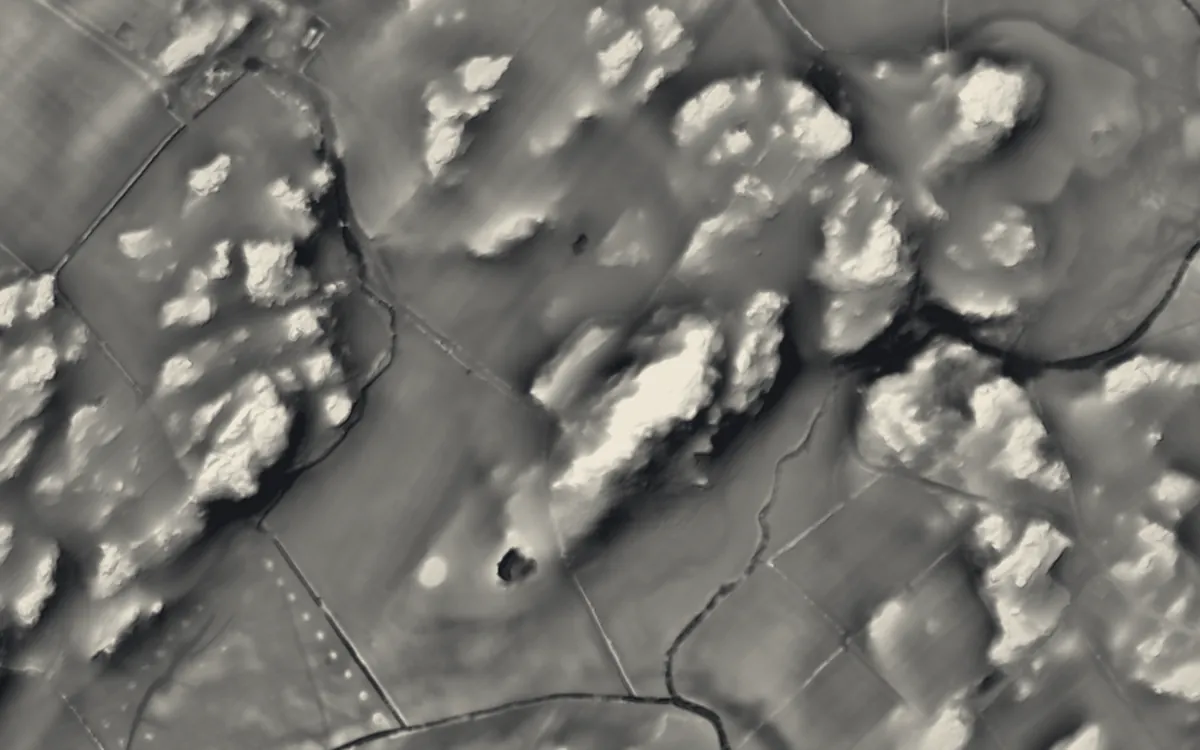 Din Dryfol Chambered TombIsle of Anglesey
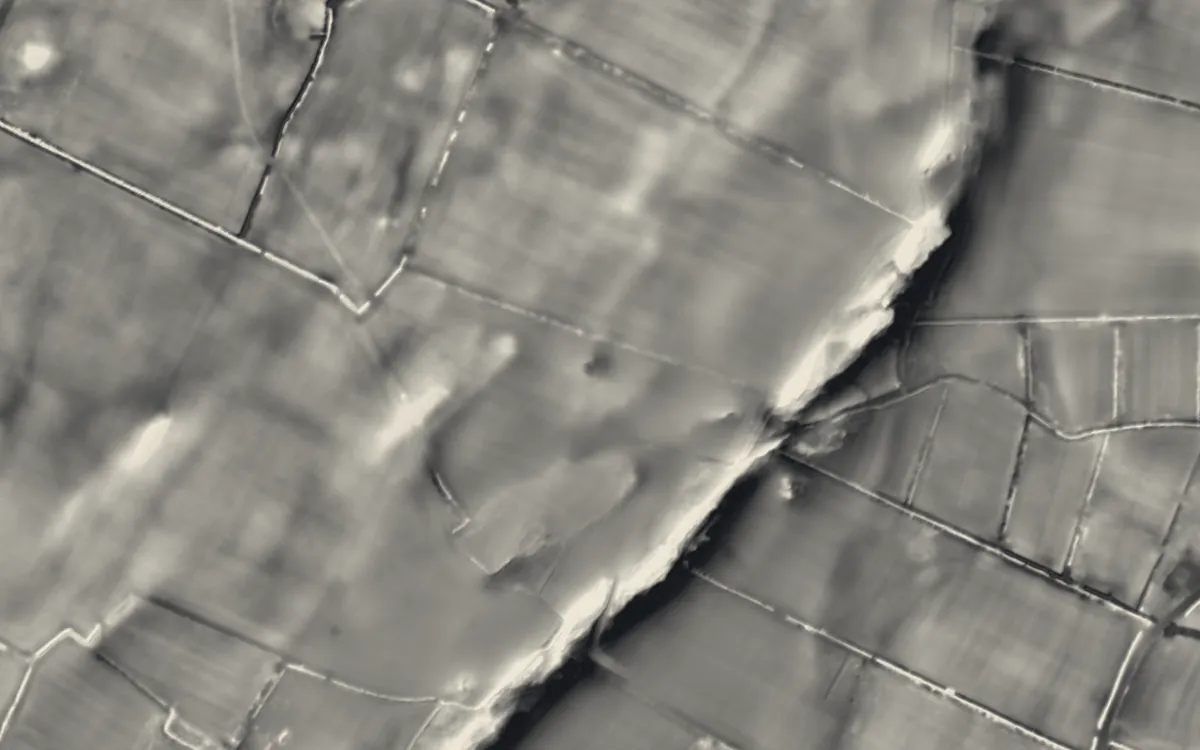 Henblas Burial ChamberIsle of Anglesey
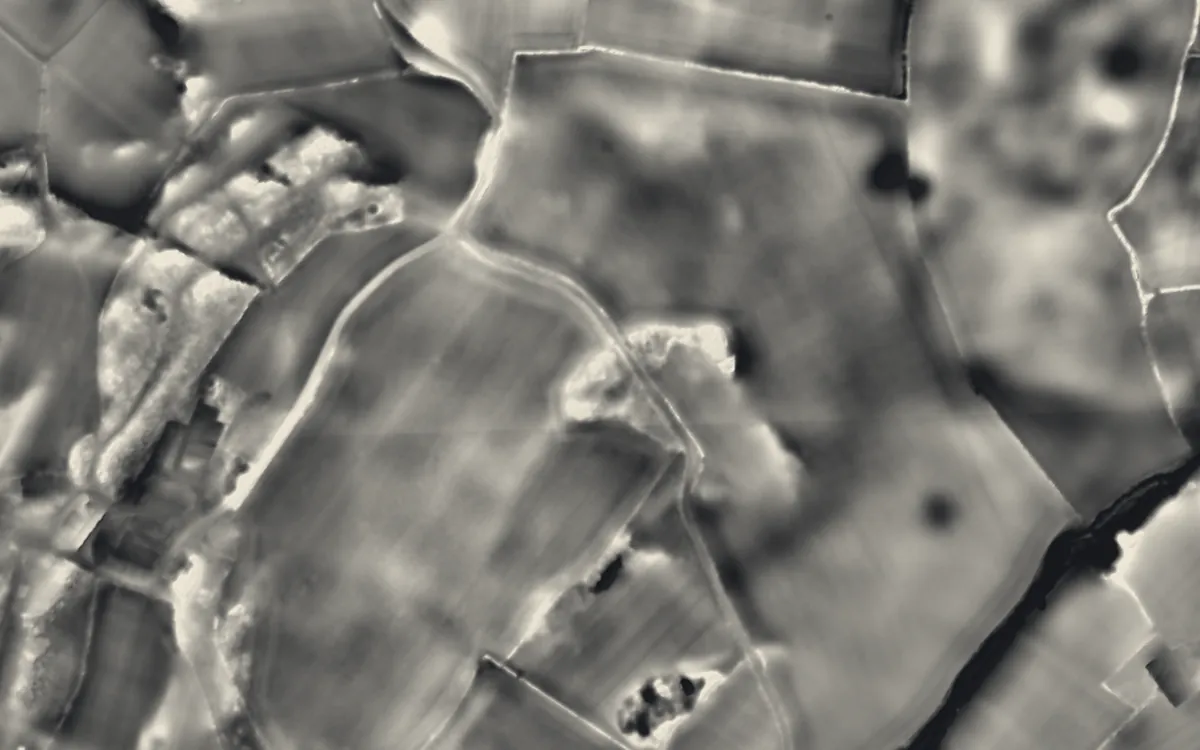 Llugwy Chambered TombIsle of Anglesey
Where they are
Counties with the most chambered tombs that have a page here.
- Isle of Anglesey7 with a page
- Cornwall1 with a page
- Devon1 with a page
- Northumberland1 with a page
- Swansea1 with a page
- Vale of Glamorgan1 with a page
More examples
- Perthi-Duon Burial ChamberIsle of Anglesey
- Presaddfed Chambered TombIsle of Anglesey
- Tŷ Newydd Chambered TombIsle of Anglesey
- Devil's Lapful Long Cairn, 1km east of Butteryhaugh BridgeNorthumberland
- Parc le Breos Chambered TombSwansea
- St Lythans Chambered TombVale of Glamorgan
Sources
- FISH Thesaurus of Monument Types (Historic England): Chambered Tomb
- FISH Thesaurus of Monument Types (Historic England): Chambered Long Barrow
- FISH Thesaurus of Monument Types (Historic England): Portal Dolmen
- Monument Type Thesaurus (Wales), RCAHMW: Chambered Tomb
- Amgueddfa Cymru - Museum Wales: The Stone Age tombs of south-east Wales
- Cadw: Capel Garmon Chambered Tomb
- Wikipedia: Long barrow (Cotswold-Severn group) (cross-check)
- Relief Visualization Toolbox documentation: Simple local relief model
Last updated 2026-10-16.