Home Monument types Pillow mound
What is a pillow mound?
A pillow mound is a long, low, flat-topped mound, often surrounded by a shallow ditch, built as an artificial breeding place for rabbits in a warren. Groups of mounds concentrated the rabbits so that they were easier to manage and catch.
- Period
- Medieval to post-medieval: warrens from the 12th century, and many surviving pillow mounds from the 16th century or later.
- Also called
- rabbit bury, warren mound, rabbit warren, coney mound
- Pages on Waystone
- 10 in England and Wales
What a pillow mound is
Rabbits were brought to England from the continent, and Historic England dates the tradition of warren construction from the 12th century. Early warrens belonged mainly to the higher levels of society, but by the 16th and 17th centuries warrens were common on most manors and estates, and Historic England records about 1,000 to 2,000 warrens nationally. A warren can contain from one to forty pillow mounds and cover up to about 600 hectares, and some mounds contain stone-lined burrows. Pillow mounds are numerous on Dartmoor and in the hills of Glamorgan and Powys, where they may be rectangular, L-shaped, cross-shaped or circular.
How pillow mounds look on LiDAR
A pillow mound shows as a small, regular, flat-topped oblong mound, often with a shallow ditch around it, usually in a group of similar mounds laid out on a gentle slope. A local relief model is the best view because the mounds are low, often under a metre high, and positive openness emphasises their sharp edges. Warren boundary banks and enclosures may also show nearby.
See LiDAR visualisations explained for what each method shows.
What can look like one
Pillow mounds are often mistaken for long barrows, which are much larger and older, and for building platforms, short field banks and spoil heaps. Older mounds, including barrows and mottes, were sometimes reused as rabbit breeding places.
Protection
Some well-preserved pillow mounds and warrens are scheduled monuments, protected in England by the Ancient Monuments and Archaeological Areas Act 1979 and in Wales by the Historic Environment (Wales) Act 2023.
Examples on the LiDAR
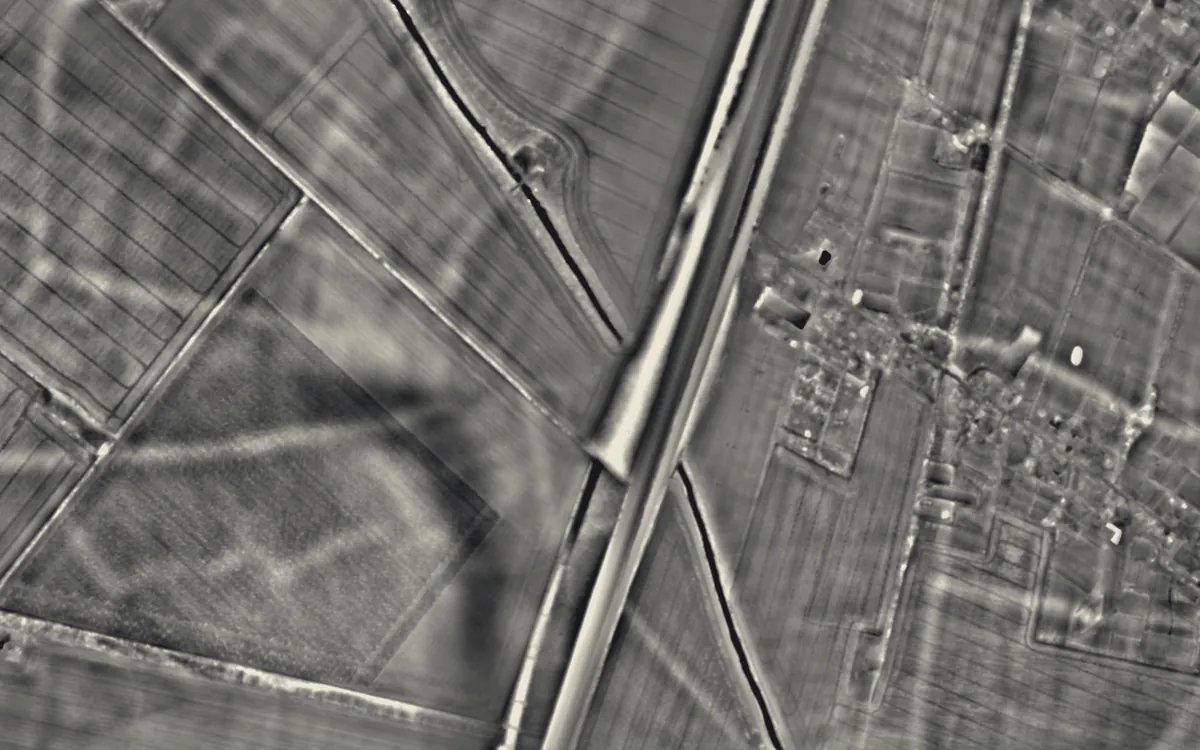 Brent DitchCambridgeshire
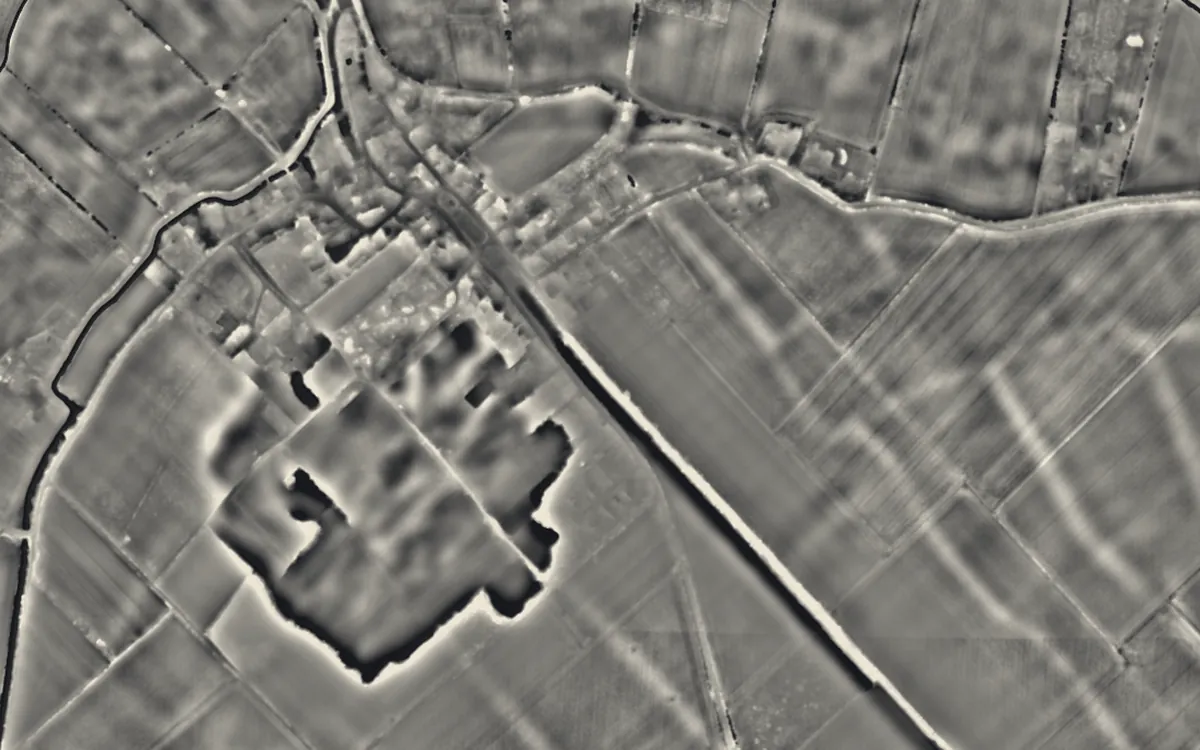 Devil's DykeCambridgeshire
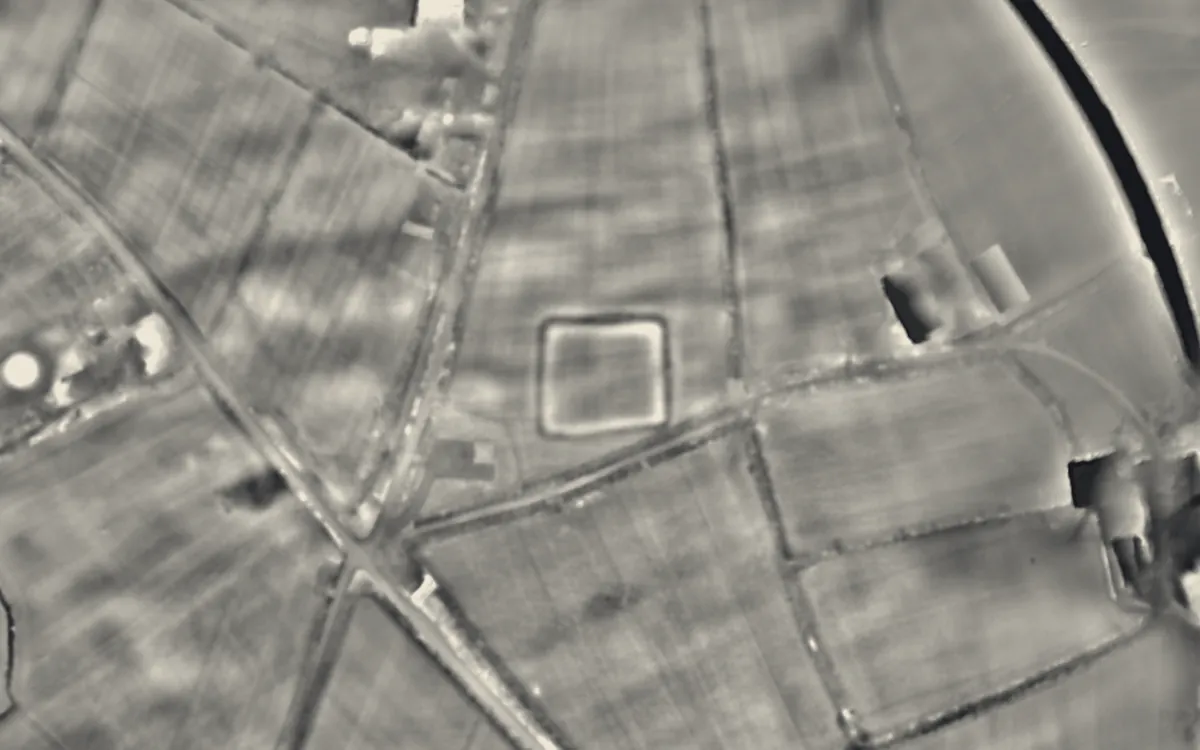 Broadbury CastleDevon
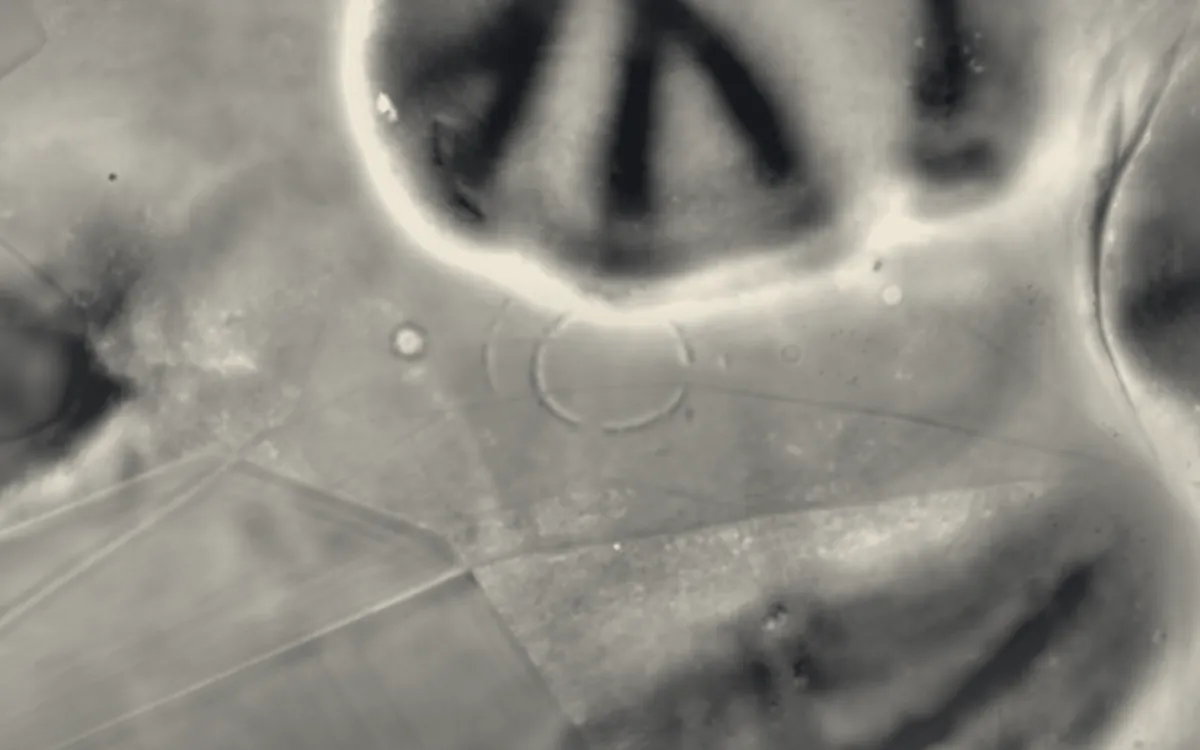 Neolithic causewayed enclosure on Combe HillEast Sussex
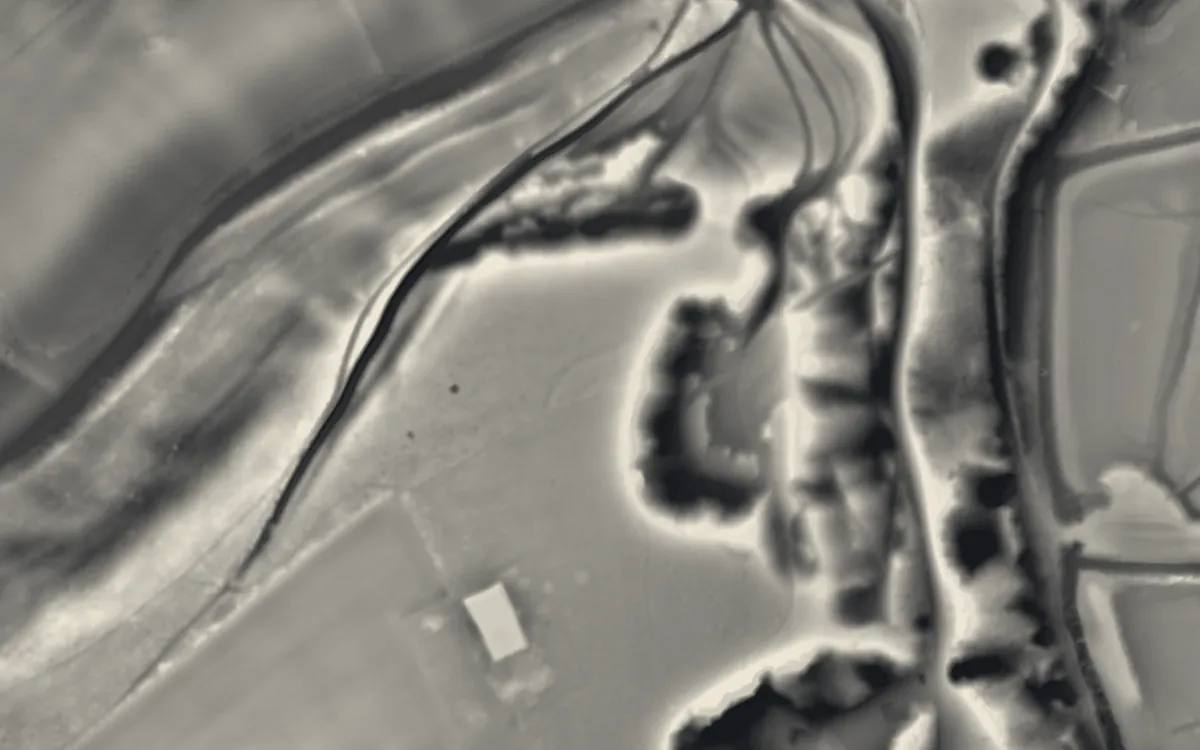 Offham Hill Causewayed EnclosureEast Sussex
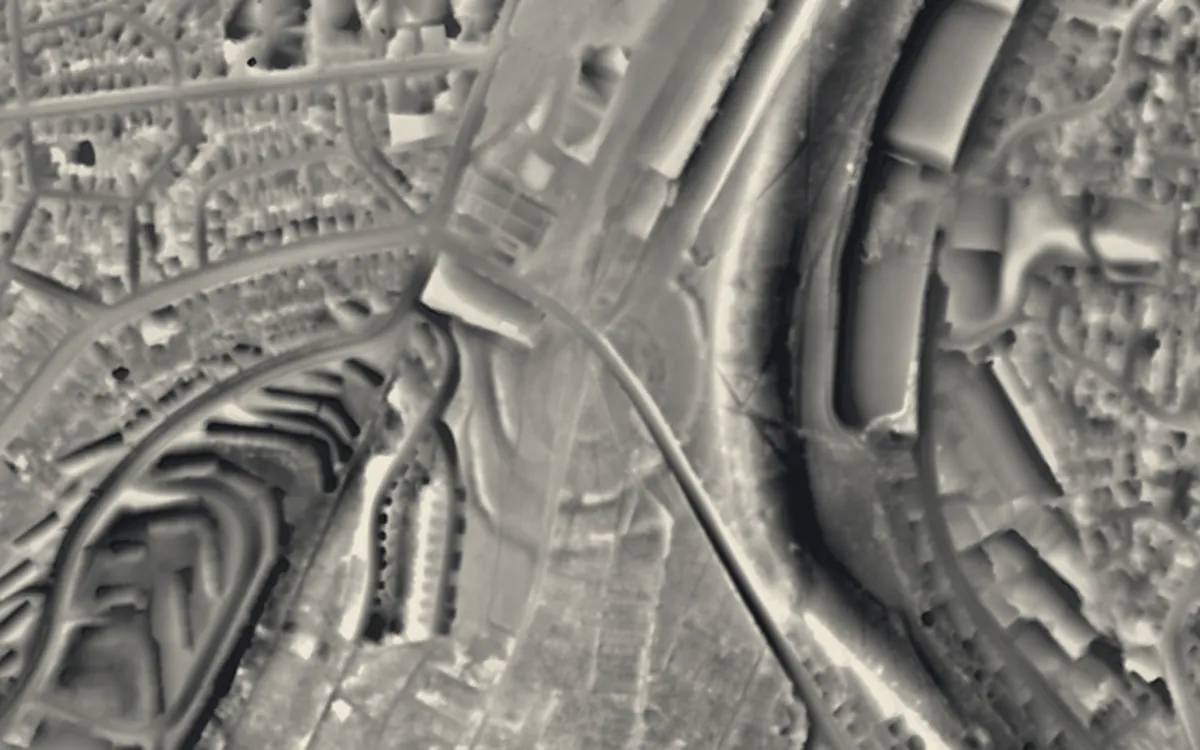 Whitehawk CampEast Sussex
Where they are
Counties with the most pillow mounds that have a page here.
- East Sussex3 with a page
- Cambridgeshire2 with a page
- West Sussex2 with a page
- Devon1 with a page
- Pembrokeshire1 with a page
- Wiltshire1 with a page
More examples
- Bedd ArthurPembrokeshire
- Barkhale Camp causewayed enclosureWest Sussex
- Neolithic causewayed enclosure and associated remains on Court HillWest Sussex
- Knap HillWiltshire
Sources
- FISH Thesaurus of Monument Types (Historic England): Pillow Mound
- FISH Thesaurus of Monument Types (Historic England): Rabbit Warren
- Monument Type Thesaurus (Wales), RCAHMW: Pillow Mound
- Historic England, Introductions to Heritage Assets: Animal Management (deer parks, warrens, dovecotes, fishponds)
- Historic England, National Heritage List entry 1020056: reasons for designation (warrens and pillow mounds)
- Historic England, National Heritage List entry 1012002: Pillow mounds east of Friars Head, known as Giants' Graves
- Coflein (RCAHMW): Twyn-y-Gaer, Pillow Mounds, NPRN 24387
- Relief Visualization Toolbox documentation: Simple local relief model
Last updated 2026-10-16.