Home Monument types Linear earthwork (dyke)
What is a linear earthwork (dyke)?
A linear earthwork is a long bank with a ditch alongside it, or several banks and ditches, forming a boundary across the landscape. Examples range from short cross dykes across a ridge to Offa's Dyke along the border between England and Wales.
- Period
- Bronze Age to early medieval; most prehistoric examples are Middle Bronze Age to Iron Age, and the largest dykes, such as Offa's Dyke, are early medieval.
- Also called
- dyke, dike, cross dyke, cross-ridge dyke, linear boundary, boundary ditch, ranch boundary
- Pages on Waystone
- 13 in England and Wales
What a linear earthwork (dyke) is
Prehistoric linear earthworks range from a few tens of metres to more than 80 kilometres long; they date mainly from the Middle Bronze Age and through the Iron Age, and are thought to have marked out land held by different communities. Cross dykes are shorter examples, usually between 200 metres and 1 kilometre long, built across ridges and spurs; Historic England dates them from the Middle Bronze Age onwards. Offa's Dyke, traditionally attributed to Offa, king of Mercia from 757 to 796, has a ditch on its western, Welsh side and a bank up to about 2.5 metres high; radiocarbon dates from some sections are earlier and are debated. Other dykes thought to be early medieval include Wat's Dyke and Wansdyke.
How linear earthwork (dyke)s look on LiDAR
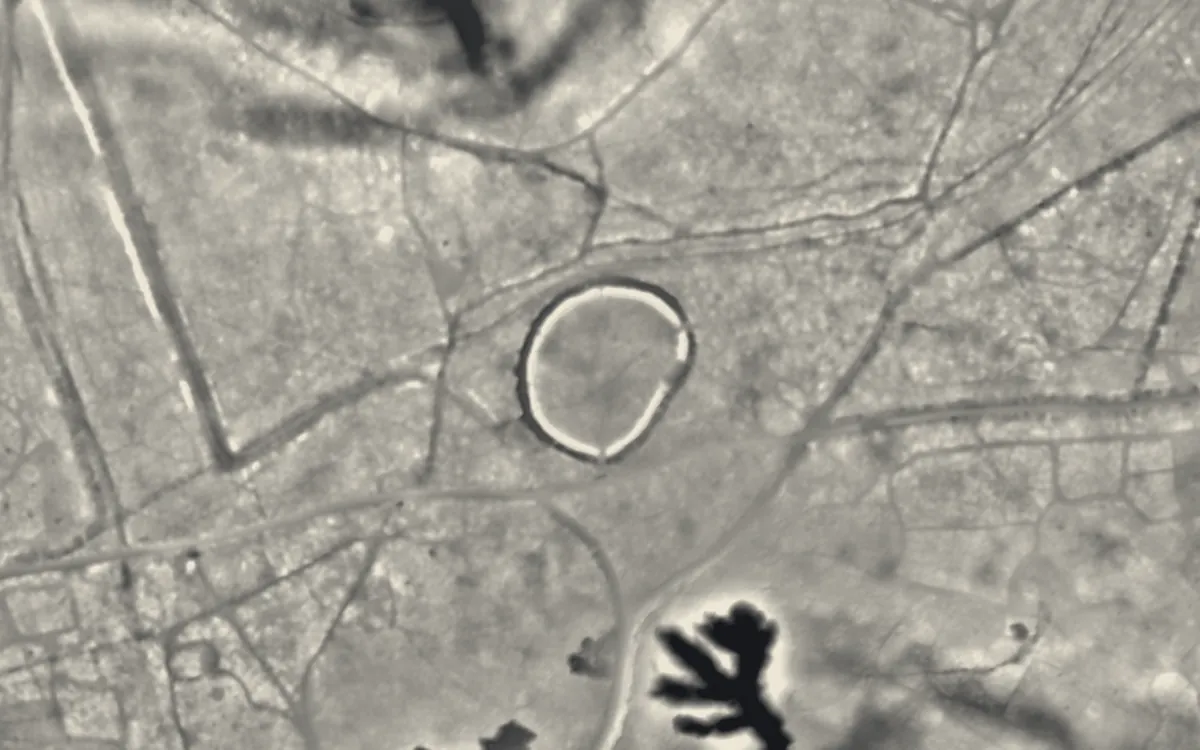
A linear earthwork shows as a long bank with a parallel ditch, running for long distances across fields and woods, often ending at a steep slope or valley. A local relief model shows ploughed-down stretches where the bank survives only a few tens of centimetres high, and sky-view factor shows the ditch even where the bank has gone; the side on which the ditch lies is often used to judge which way the boundary faced. Hillshade shows large dykes well but loses lengths that run parallel to the light.
See LiDAR visualisations explained for what each method shows.
What can look like one
Park pales, woodland boundary banks, parish and estate boundary banks, hedge banks, hollow ways, canals, leats and disused railway earthworks can all look like linear earthworks. Park pales and woodland banks usually enclose an area, while a dyke runs across country.
Protection
Many stretches of linear earthwork, including surviving sections of Offa's Dyke, are scheduled monuments, protected in England by the Ancient Monuments and Archaeological Areas Act 1979 and in Wales by the Historic Environment (Wales) Act 2023.
Examples on the LiDAR
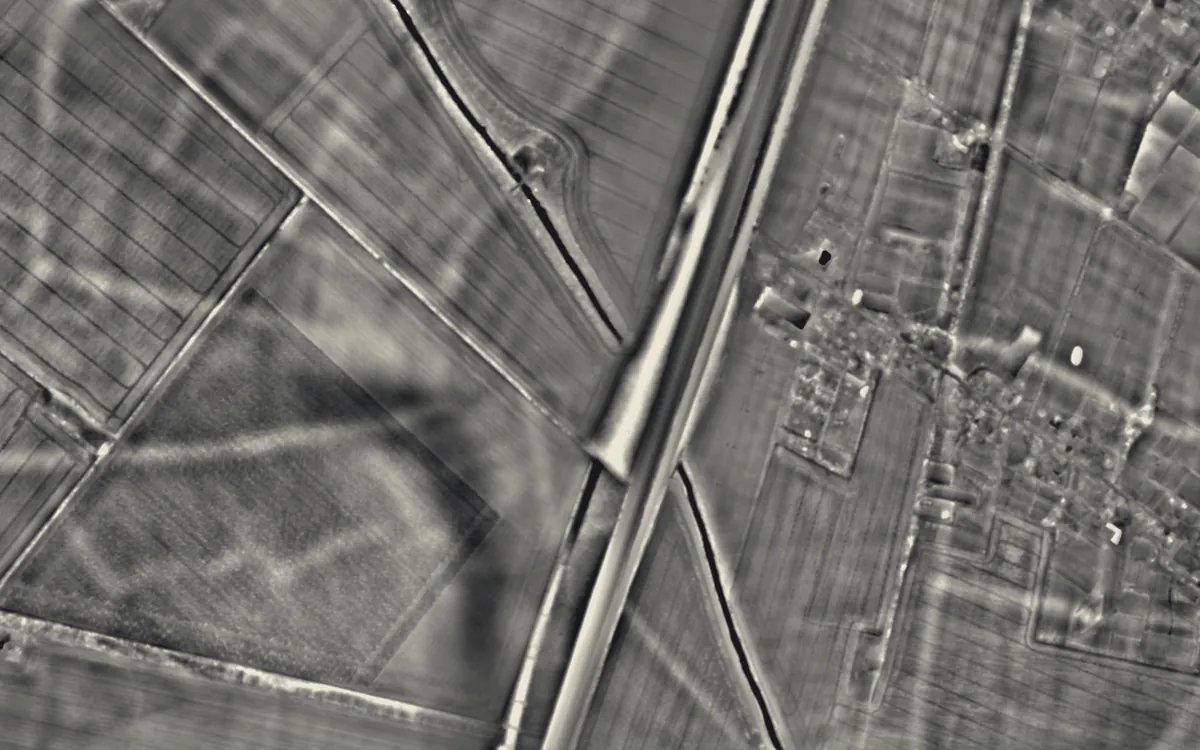 Brent DitchCambridgeshire
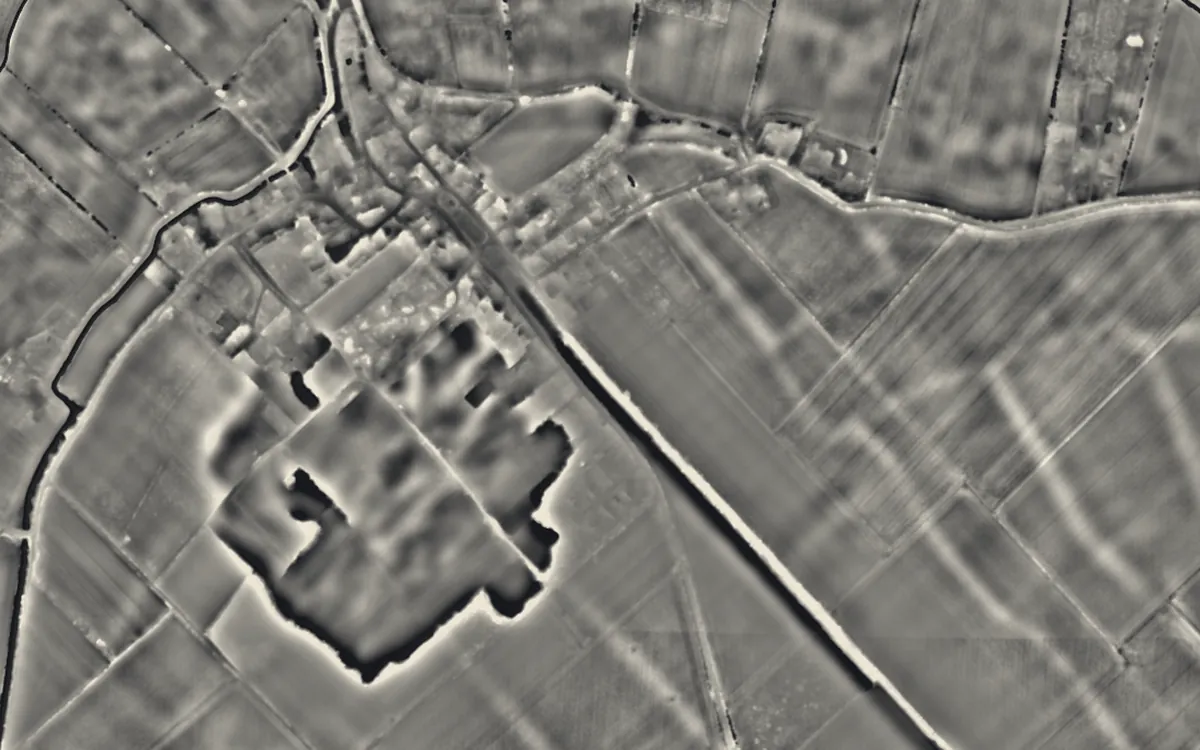 Devil's DykeCambridgeshire
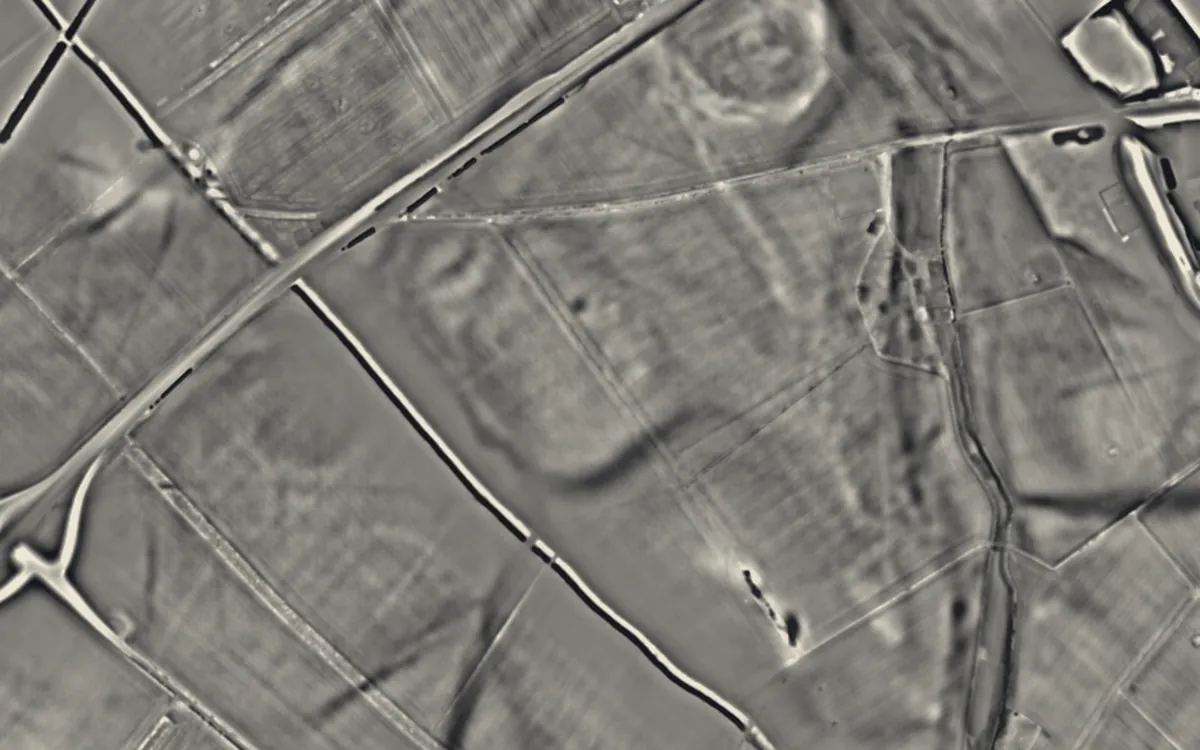 Fleam DykeCambridgeshire
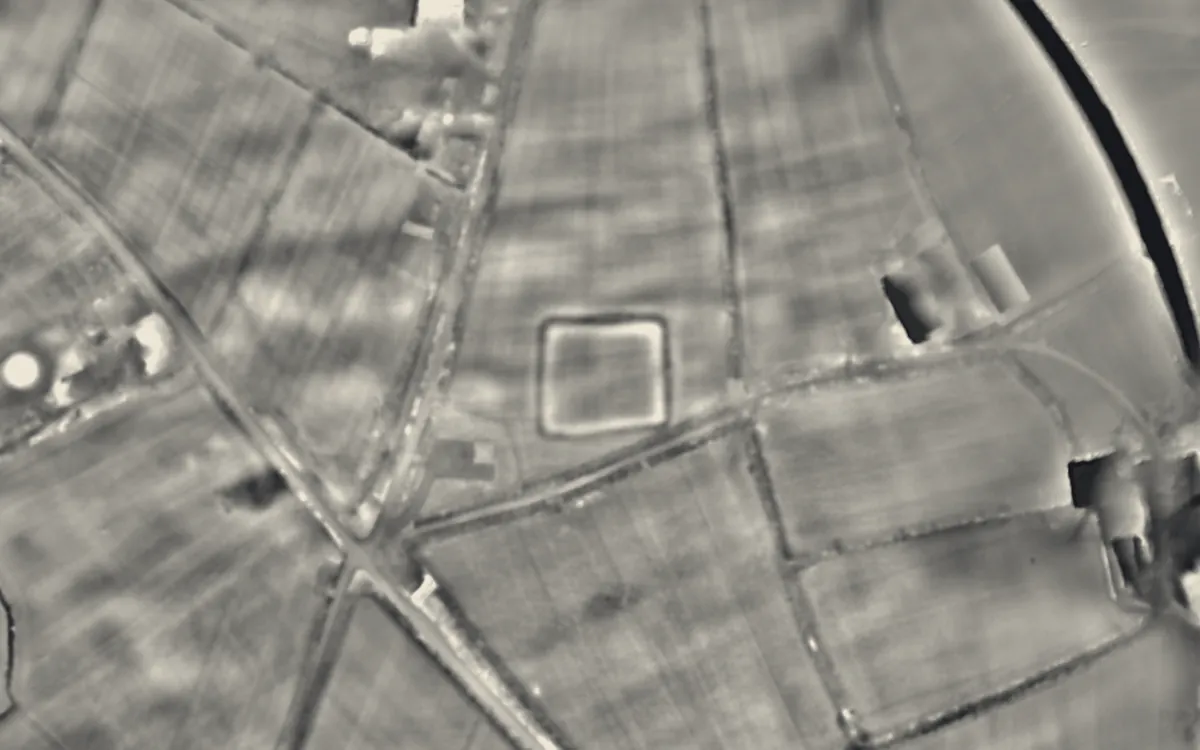 Broadbury CastleDevon
 Castle DykeDevon
 Neolithic causewayed enclosure on Combe HillEast Sussex
Where they are
Counties with the most linear earthwork (dyke)s that have a page here.
- Cambridgeshire3 with a page
- East Sussex3 with a page
- Devon2 with a page
- West Sussex2 with a page
- Hertfordshire1 with a page
- Pembrokeshire1 with a page
- Wiltshire1 with a page
More examples
- Offham Hill Causewayed EnclosureEast Sussex
- Whitehawk CampEast Sussex
- Beech Bottom DykeHertfordshire
- Bedd ArthurPembrokeshire
- Barkhale Camp causewayed enclosureWest Sussex
- Neolithic causewayed enclosure and associated remains on Court HillWest Sussex
- Knap HillWiltshire
Sources
- FISH Thesaurus of Monument Types (Historic England): Linear Earthwork
- FISH Thesaurus of Monument Types (Historic England): Cross Dyke
- Monument Type Thesaurus (Wales), RCAHMW: Dyke
- Historic England 2018, Prehistoric Linear Boundary Earthworks: Introductions to Heritage Assets (series page)
- Buckinghamshire's Heritage Portal: Linear earthworks (theme)
- Historic England, National Heritage List entry 1020320: Cross dyke 720m west of Cheesefoot Head
- Historic England, National Heritage List entry 1018431: Linear boundary earthwork and associated field system on Cherhill Down
- Wikipedia: Offa's Dyke (cross-check)
- Relief Visualization Toolbox documentation: Simple local relief model
- Relief Visualization Toolbox documentation: Sky-view factor
Last updated 2026-10-16.