Home Monument types Cursus
What is a cursus?
A cursus is a long, narrow Neolithic enclosure defined by two parallel banks with ditches outside them, closed at each end. Its purpose is unknown, but it is usually interpreted as ceremonial.
- Period
- Early to Middle Neolithic, about 3600 to 3000 BC; older Historic England texts give 3000 to 2400 BC.
- Also called
- cursus monument, cursuses (plural), cursūs (plural)
- Pages on Waystone
- 10 in England and Wales
What a cursus is
Known examples range from less than 100 metres to almost 10 kilometres long, and the Dorset Cursus on Cranborne Chase is the longest known. The name, Latin for a racecourse, reflects a use suggested by William Stukeley in the 18th century. An antler pick from the Greater Stonehenge Cursus, which is just under 3 kilometres long, has been radiocarbon dated to 3630 to 3375 BC, and other cursuses are dated to about 3400 to 3000 BC, earlier than the 3000 to 2400 BC given in older Historic England texts. Most are known only from cropmarks, and Historic England texts give totals for England of between about 40 and about 100.
How cursuses look on LiDAR
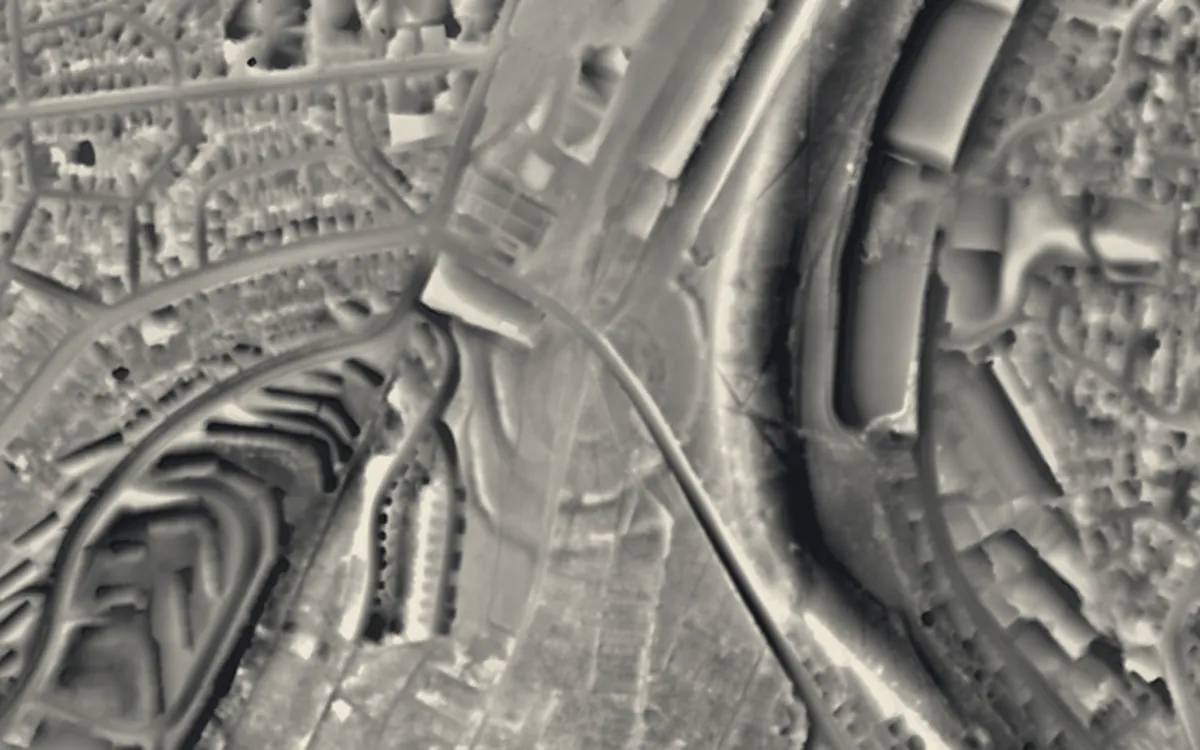
Where a cursus survives as an earthwork, it shows as two long, parallel low banks or ditches tens of metres apart, sometimes with a squared or rounded terminal at the end. A local relief model shows the very low banks best and sky-view factor shows the ditches, while hillshade can lose the long sides when they run parallel to the light. Most cursuses have been ploughed flat and show nothing on a bare-earth model, and the Greater Stonehenge Cursus is one of the few with substantial surviving earthworks.
See LiDAR visualisations explained for what each method shows.
What can look like one
Pairs of parallel ditches are also formed by Roman and later roads, droveways, trackways, the boundaries of strip fields and modern pipeline trenches. A Roman road usually has a raised central bank (agger) between its ditches, which a cursus does not.
Protection
Historic England considers all cursus monuments to be nationally important, and surviving examples are scheduled monuments protected in England by the Ancient Monuments and Archaeological Areas Act 1979 and in Wales by the Historic Environment (Wales) Act 2023.
Examples on the LiDAR
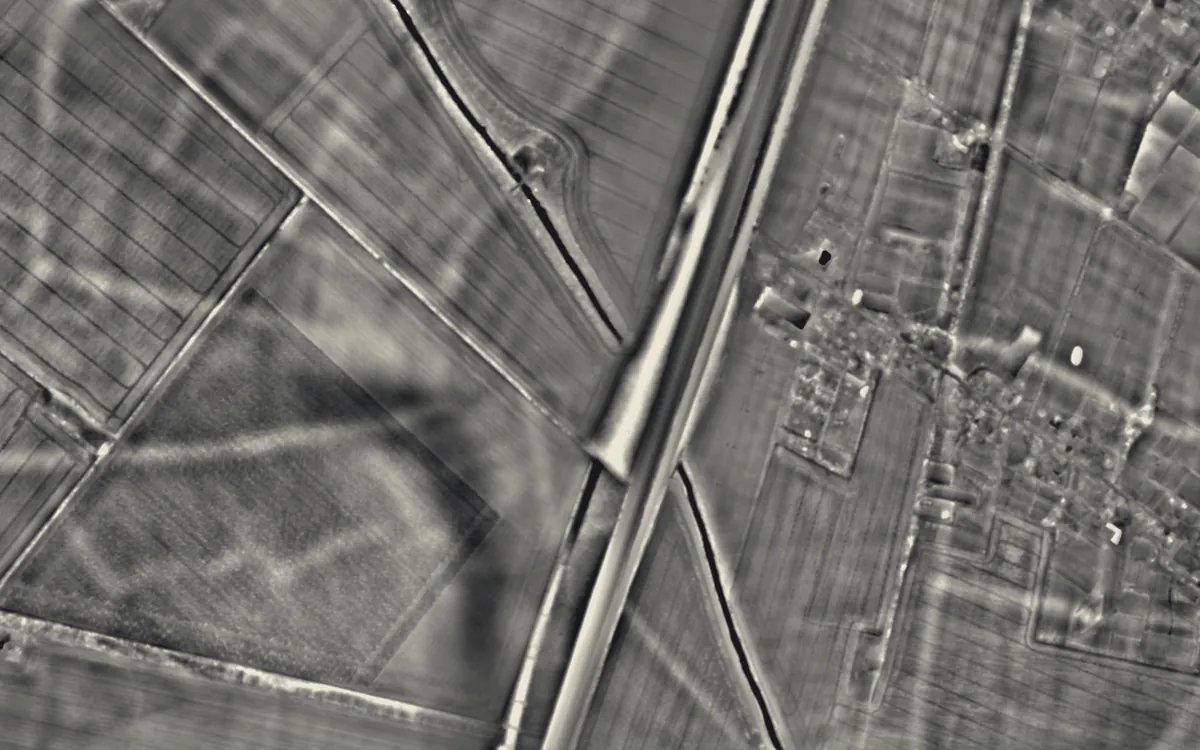 Brent DitchCambridgeshire
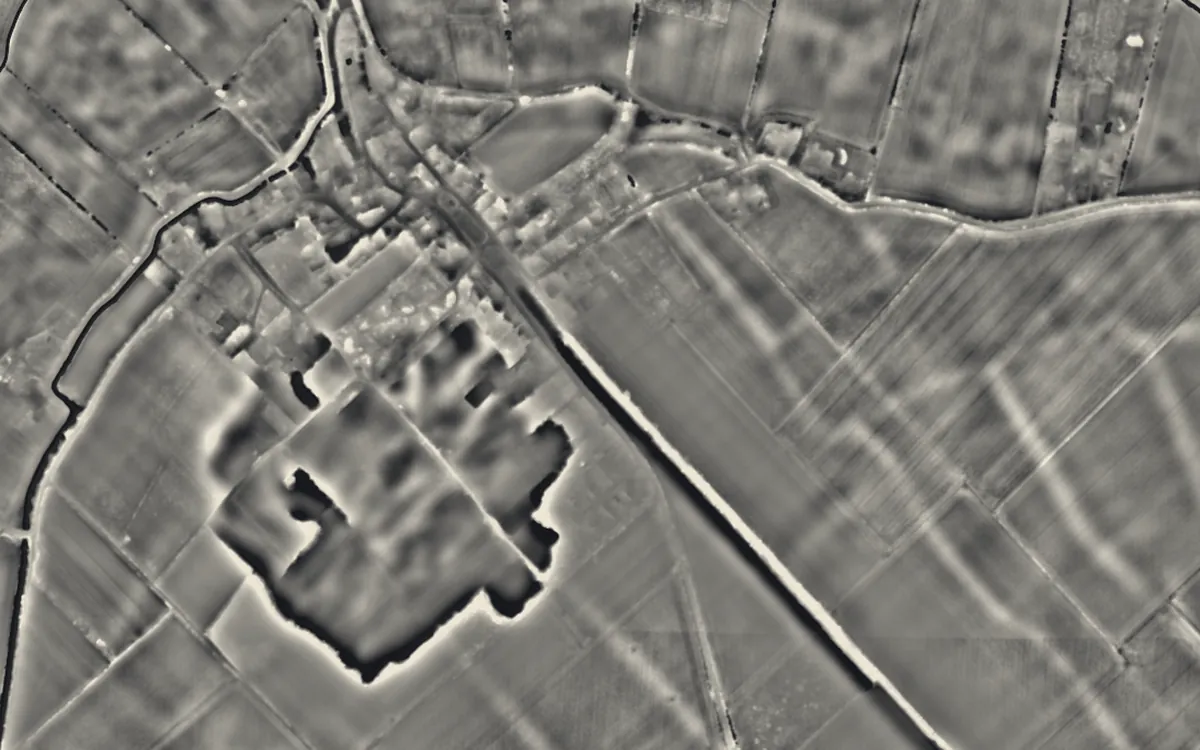 Devil's DykeCambridgeshire
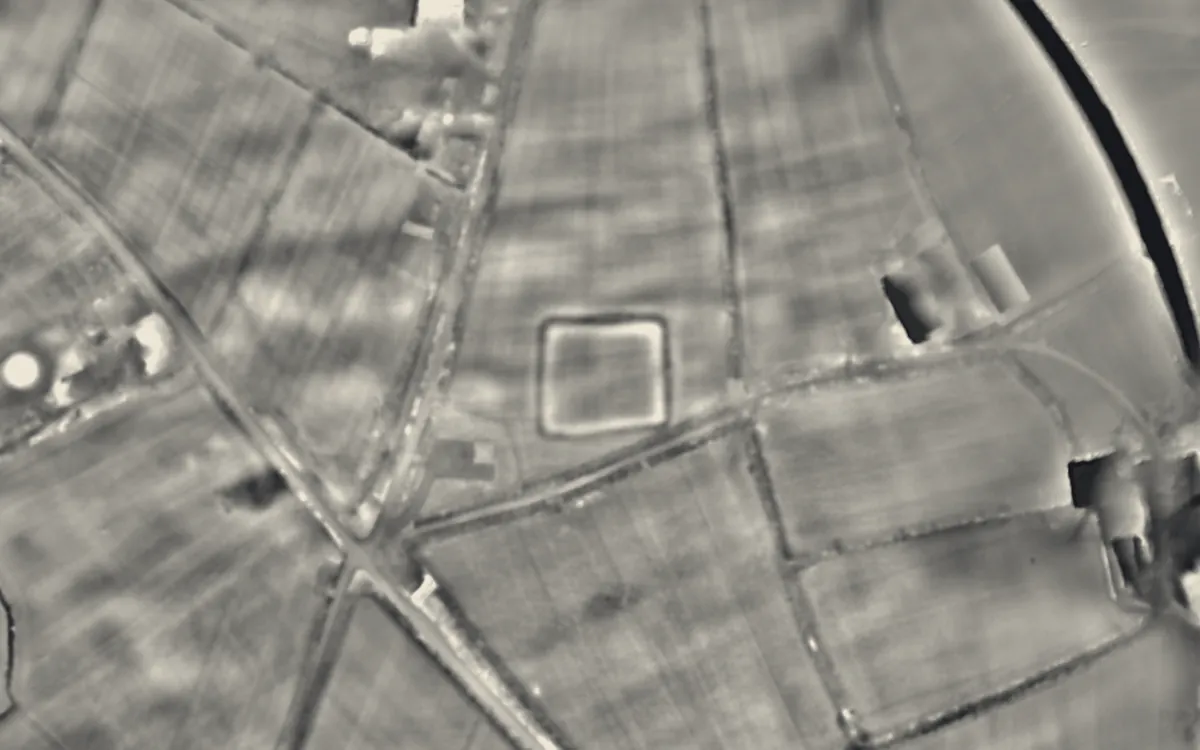 Broadbury CastleDevon
 Neolithic causewayed enclosure on Combe HillEast Sussex
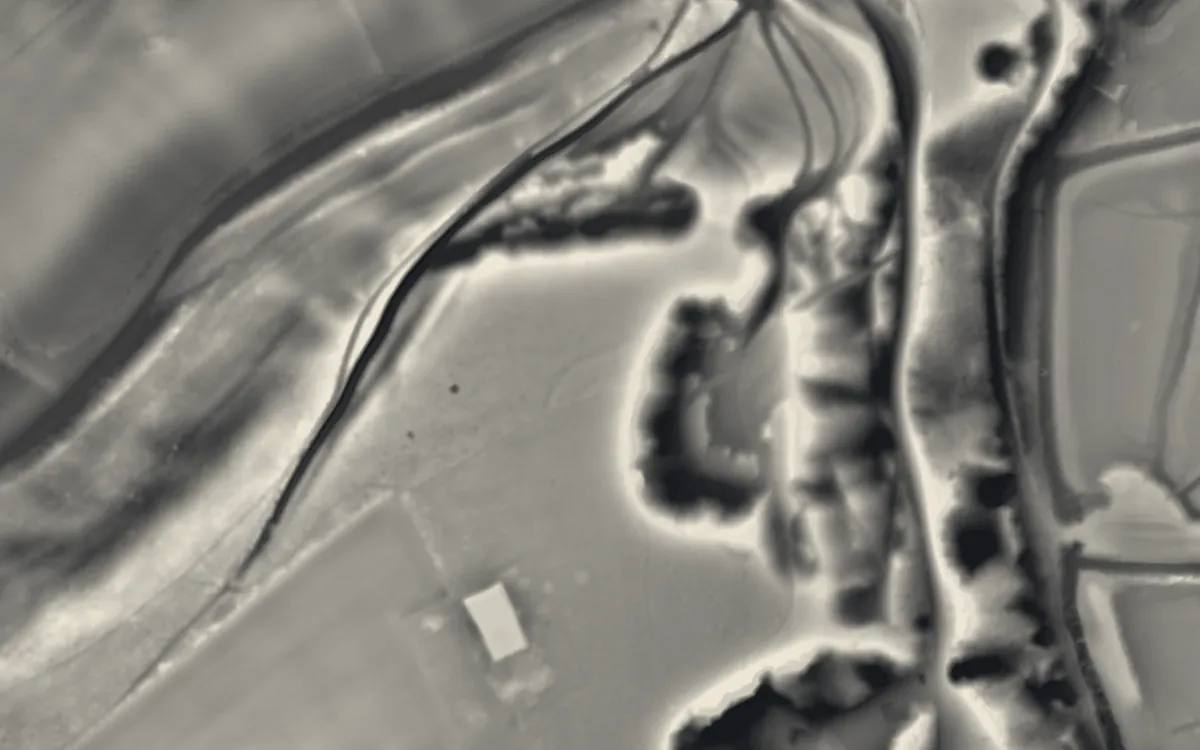 Offham Hill Causewayed EnclosureEast Sussex
 Whitehawk CampEast Sussex
Where they are
Counties with the most cursuses that have a page here.
- East Sussex3 with a page
- Cambridgeshire2 with a page
- West Sussex2 with a page
- Devon1 with a page
- Pembrokeshire1 with a page
- Wiltshire1 with a page
More examples
- Bedd ArthurPembrokeshire
- Barkhale Camp causewayed enclosureWest Sussex
- Neolithic causewayed enclosure and associated remains on Court HillWest Sussex
- Knap HillWiltshire
Sources
- FISH Thesaurus of Monument Types (Historic England): Cursus
- Monument Type Thesaurus (Wales), RCAHMW: Cursus
- Historic England, National Heritage List entry 1016977: Hasting Hill cursus and causewayed enclosure, 600m south of Hasting Hill Farm
- Historic England, National Heritage List entry 1009132: The Cursus, two round barrows situated within its western end, and a long barrow situated at its eastern end
- Thomas, J. and others 2009. The date of the Greater Stonehenge Cursus. Antiquity 83 (publication record)
- Wikipedia: Stonehenge Cursus (cross-check)
- Wikipedia: Cursus (cross-check)
- Relief Visualization Toolbox documentation: Simple local relief model
Last updated 2026-10-16.